
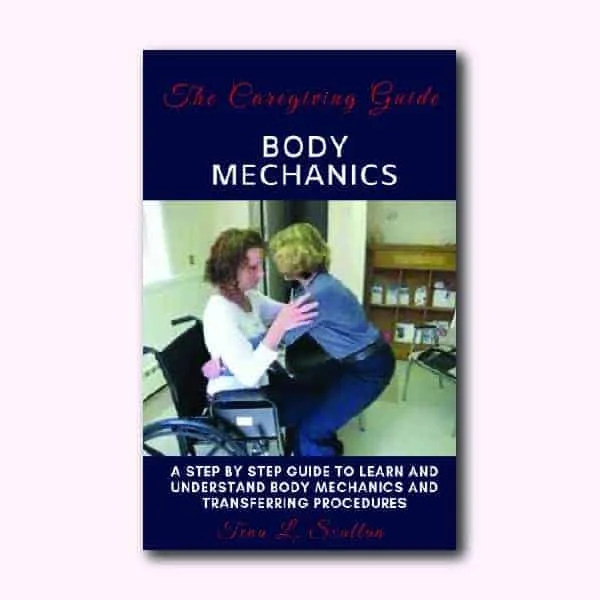
Caring for a loved one is physically demanding. Tasks like lifting, transferring from a bed to a chair, or repositioning someone can take a massive toll on your body if done incorrectly.
Body Mechanics: Essential Knowledge for Caregivers is a practical, step-by-step guide designed to protect your spine, reduce muscle strain, and ensure the safety of your loved one. By mastering these professional techniques, you can provide high-quality care without sacrificing your own physical health.
Why Body Mechanics Is a “Must-Have” Skill
Improper lifting is the #1 cause of caregiver burnout and long-term musculoskeletal injuries. According to the National Institute of Neurological Disorders and Stroke, back injuries are a leading reason for physical disability.
By implementing the principles in this guide, you will achieve:
Spine Protection: Drastically reduce strain on your back, shoulders, and neck.
Enhanced Safety: Minimize the risk of drops, slips, or falls for your loved one.
Increased Longevity: Build the physical resilience needed to provide care for years to come.
Boosted Confidence: Move with the steady hand of a professional.
What’s Inside the Body Mechanics Guide?
This guide translates complex physical therapy concepts into simple, actionable steps for the home setting:
The Fundamentals of Alignment: Proper posture and stance to keep your muscles protected.
Safe Lifting & Transfer Techniques: Step-by-step instructions for moving someone from bed to chair or wheelchair.
Tool & Equipment Mastery: How to effectively use gait belts, slide boards, and mechanical lifts.
Bed Repositioning: Techniques to shift or roll a loved one without straining your lower back.
Ergonomic Everyday Tips: Small adjustments to your daily routine that yield big long-term benefits.
Build Your Caregiver Support System
Physical safety is only one piece of the puzzle. To truly thrive, we recommend a holistic approach:
Organize Your Routine: Pair this guide with our Caregiver’s Organizational Planner to manage schedules and medical notes without the stress.
Communicate with Confidence: If you need to coordinate care with family or doctors to help with heavy lifting, our Caregiver Communication Skills Guide provides the scripts you need.
Emotional Resilience: Prevent the mental toll of caregiving with our Caregiver Burnout Recovery Workbook.
Benefits You Will Experience
After applying these techniques, you can expect:
Reduced Chronic Pain: Less tension in your neck and lower back.
Less Fatigue: Efficient movement means you have more energy at the end of the day.
Professional Competence: Feel capable and prepared for any physical challenge.
Peace of Mind: Knowing you are moving your loved one in the safest way possible.
Expert-Backed Training
We believe in blending compassionate care with medical best practices. This guide aligns with CDC Ergonomic Guidelines and Mayo Clinic lifting standards to ensure you are receiving the most accurate information available.
Don’t Do This Alone
Caregiving is a journey that requires a community. Join our Family Caregiving Group—a safe, supportive space to connect with others who understand your struggles.
Reviews
Clear filtersThere are no reviews yet.