Blog
Symptoms of Separation Anxiety in Adults: Signs, Causes & Treatment Guide

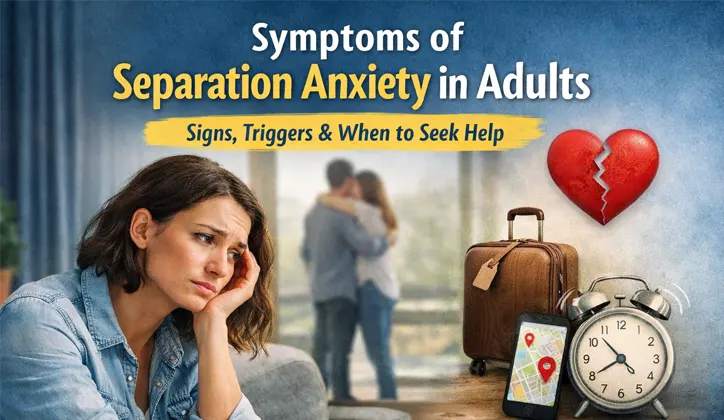
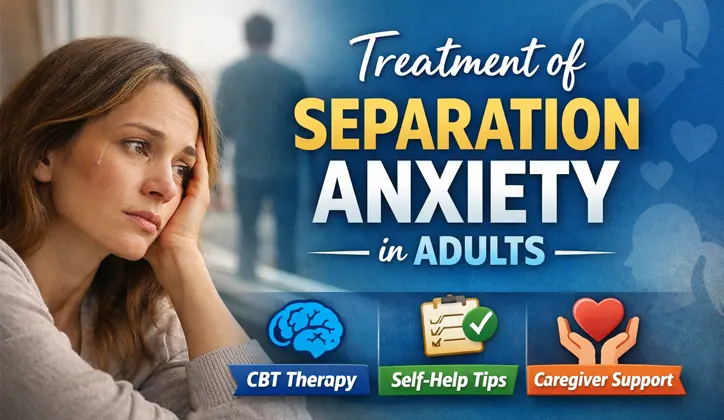
Many people think separation anxiety only affects children. But in reality, adults can experience it just as deeply, sometimes even more intensely. Adult separation anxiety is a mental health condition where a person feels extreme fear, distress, or panic when separated from someone they are emotionally attached to. This can include a partner, family member, or even a person they care for. As a caregiving expert, I’ll help you identify the Symptoms of Separation Anxiety in Adults and provide actionable tools for recovery.
What Is Separation Anxiety in Adults?
Separation anxiety in adults is a psychological condition where a person experiences intense and persistent fear of being away from loved ones. While it’s normal to miss someone, this condition goes far beyond that. In clinical terms, it is recognized as a form of anxiety disorder where:
- The fear is excessive and unrealistic
- It continues for months
- It interferes with daily functioning
Unlike childhood separation anxiety (which usually focuses on parents), adults may feel this anxiety toward:
- A romantic partner
- A close family member
- Someone they are caregiving for
Key Difference from Normal Attachment
- Healthy attachment = You miss someone but can function normally
- Separation anxiety = Your thoughts, emotions, and even physical health become disrupted
This condition is real, common, and treatable with the right support.
10 Common Symptoms of Separation Anxiety in Adults
Adult separation anxiety often shows up through a mix of emotional, physical, and behavioral signs. These symptoms can feel overwhelming and may gradually affect your daily life, relationships, and mental well-being.
Here are the most common symptoms to watch for:
Constant fear of losing loved ones
You often feel that something bad might happen to someone close to you, even when there is no real danger. This fear can stay in your mind throughout the day, making you repeatedly check on them or feel uneasy until you are sure they are safe.
Panic when alone
Being alone can trigger intense anxiety or even panic attacks. You may feel restless, unsafe, or emotionally overwhelmed. Even short periods of separation can feel uncomfortable, and you might constantly look for ways to reconnect for reassurance.
Excessive calling or texting
You may feel the need to stay in constant contact through calls or messages. If your loved one doesn’t respond quickly, your anxiety can increase, leading to repeated attempts to reach them just to feel calm and reassured.
Avoiding work or social activities
You might avoid going to work, attending events, or traveling because it means being away from someone you depend on emotionally. Over time, this avoidance can affect your routine, relationships, and overall personal and professional growth.
Sleep problems
Falling asleep without that person nearby can become difficult. You may experience insomnia, wake up frequently during the night, or feel restless. Poor sleep can make your anxiety worse and leave you feeling tired throughout the day.
Nightmares about separation
You may have recurring dreams about losing a loved one, being abandoned, or facing separation. These nightmares often feel very real and can leave you feeling anxious, scared, or emotionally drained even after waking up.
Chest pain or rapid heartbeat
Separation can trigger physical reactions such as a racing heart, chest tightness, or shortness of breath. These symptoms are caused by anxiety activating your body’s stress response and can feel similar to serious health issues.
Difficulty concentrating
Your thoughts may stay focused on your loved one’s safety, making it hard to concentrate on work or daily tasks. This lack of focus can reduce productivity and make it difficult to complete even simple responsibilities.
Irrational worst-case thinking
You may imagine extreme negative situations, such as accidents or sudden loss, without any real evidence. These thoughts can feel very real and are often difficult to control, which increases your overall anxiety and emotional stress.
Emotional dependency
You may rely heavily on one person for emotional comfort and stability. When they are not around, you can feel insecure, anxious, or unable to function normally, which can affect your independence and self-confidence over time.
Quick Insight
If you experience several of these symptoms consistently and they interfere with your daily functioning, it may indicate adult separation anxietynot just normal attachment.
Emotional and Behavioral Symptoms of Separation Anxiety in Adults
In my long professional career, I have seen many people experience intense panic attacks at the slightest distance from loved ones. In adults, this anxiety manifests itself much deeper than simple worry. If you experience the following symptoms, you are not alone:
- Extreme concern for the safety of loved ones: Whenever he leaves the house, you feel like he’s going to have a big accident.
- Inability to be alone: You feel suffocated when you are in another room of the house or alone in the house.
- Clinginess: Over-dependence in relationships and trying to keep your loved one in sight at all times.
- Avoiding social activities: Avoiding the office or socializing for fear of having to leave a loved one behind to go to work or go out.
- Controlling behavior: Where he’s going, who he’s talking to, always checking by phone.
This separation anxiety in relationships disrupts the natural rhythm of a relationship and makes you extremely emotionally vulnerable.
Physical Symptoms of Separation Anxiety in Adults
Separation anxiety doesn’t just affect your mindit also triggers real physical reactions in your body. These symptoms are often misunderstood as general health issues but are directly linked to anxiety.
- Headaches and digestive issues: You may experience frequent headaches, stomach pain, nausea, or digestive discomfort without a clear medical cause.
- Rapid heartbeat (palpitations): Your heart may race when you are away from your loved one, or even when you are thinking about separation.
- Chest tightness or shortness of breath: Many people feel pressure in the chest or difficulty breathing during anxious moments.
- Sleep disturbances: You may struggle to fall asleep alone or wake up frequently due to anxiety or fear.
- Fatigue and low energy: Constant anxiety drains your energy, making you feel tired even without physical exertion.
These physical symptoms of separation anxiety in adults prove that your anxiety is not just a figment of the mind, but rather a solid physical reality.
Cognitive Signs of Separation Anxiety in Adults
Separation anxiety strongly affects how you think and process information. These mental patterns can make your fear feel even more intense and uncontrollable.
- Constant checking behavior: You repeatedly call, text, or check updates to make sure your loved one is safe.
- Intrusive negative thoughts: Unwanted thoughts about accidents, loss, or separation keep entering your mind again and again.
- Difficulty focusing: You may find it hard to concentrate on work, studies, or daily responsibilities.
- Overthinking and worst-case scenarios: Your mind automatically jumps to extreme negative outcomes, even in normal situations.
- Emotionally over-attached thoughts: You may believe you cannot function or survive emotionally without that person.
These thinking patterns reinforce anxiety, creating a cycle where thoughts increase fear, and fear increases more negative thoughts.
What Triggers Separation Anxiety in Adults?
Adult separation anxiety often develops due to past experiences, emotional patterns, or major life changes. Understanding the root cause is key to managing it effectively.
- Past trauma or loss: Losing a loved one suddenly or experiencing abandonment in the past can create a deep fear of separation.
- Caregiving stress: If you have taken care of someone for a long time, you may develop emotional dependency and fear being away from them.
- Relationship insecurity: Fear of losing a partner or relationship instability can trigger anxiety symptoms.
- Major life changes: Events like divorce, relocation, job loss, or moving to a new country can increase emotional vulnerability.
- Childhood attachment issues: Unresolved childhood separation anxiety or insecure attachment styles may continue into adulthood.
Separation Anxiety vs Normal Attachment: Key Differences
It’s natural to miss someone you care about. But how do you know if it’s healthy attachment or something more serious?
Here’s a simple comparison:
| Feature | Normal Attachment | Separation Anxiety |
|---|---|---|
| Distance | You miss them, but continue your routine | You feel anxious and unable to function |
| Trust | You trust their safety | Constant fear that something bad will happen |
| Independence | You enjoy your personal space | Being alone feels overwhelming |
| Emotional Control | Feelings are manageable | Anxiety feels intense and uncontrollable |
If your emotions start controlling your daily life instead of you controlling them, it may be separation anxiety.
Self-Check: Do I Have Separation Anxiety as an Adult?
Consider the following questions to assess your own emotional state. As a professional, I recommend this self-examination to my clients. Answer these questions honestly. This quick self-check can help you understand your emotional state:
- Do you feel anxious or panicked when a loved one is not around?
- Do you experience physical symptoms like chest pain or shortness of breath during separation?
- Do you avoid work, travel, or social events because of this fear?
- Do you constantly call or text to check on someone?
- Do you imagine worst-case scenarios about their safety?
- Does this anxiety affect your relationships or career?
If you answered “yes” to 3 or more, you may be experiencing symptoms of adult separation anxiety. A guided emotional health workbook for caregivers and anxiety recovery can help you identify triggers, monitor behavior, and develop healthier responses over time.
Note: This is not a diagnosis. A licensed professional can provide a proper evaluation
How to Reduce Separation Anxiety in Adults
Managing separation anxiety takes time, but with the right strategies, it is completely possible to regain control. Here are some Evidence-based techniques in my training sessions to manage anxiety. You can practice these yourself:
- Practice the 3-3-3 grounding technique: Name 3 things you see, 3 things you hear, and move 3 parts of your body. This helps calm your nervous system instantly.
- Start small with exposure: Begin by spending short periods alone (5–10 minutes), then gradually increase the duration.
- Build a personal routine: Create daily habits that focus on your own interests, hobbies, and self-growth.
- Limit reassurance-seeking: Reduce excessive calling or texting slowly to build emotional independence.
- Try journaling or guided workbooks: Writing your thoughts helps you identify triggers and manage emotional patterns.
- Consider therapy (CBT): Cognitive Behavioral Therapy (CBT) is one of the most effective treatments for anxiety disorders.
Consistency matters more than intensity. Small daily steps create long-term emotional stability. You can use our Separation Anxiety Workbook, specifically designed for adults to overcome this challenge, to organize your thoughts and track your daily progress.
When to Seek Professional Help
If you experience anxiety when separated from loved ones, it completely stops the normal flow of your life, but don’t hesitate to seek help. Clinical psychologists believe that when your panic takes away your ability to function, therapy or counseling is the most effective solution. Expert help will help you eliminate long-held fears in your subconscious mind.
Separation anxiety becomes a serious concern when it starts interfering with your normal life.
You should consider professional help if:
- Your anxiety feels uncontrollable
- You experience frequent panic attacks
- It affects your job, relationships, or daily routine
- Physical symptoms become severe or persistent
- You feel emotionally dependent on one person
Seeking help is not a weaknessit’s a step toward recovery.
A licensed therapist or mental health professional can help you:
- Identify root causes
- Break unhealthy thought patterns
- Build emotional independence
How Professional Caregiving Support Can Help
As an expert in the world of caregiving, I believe that it is difficult to face this emotional challenge without the right guidance. Fighting alone can be exhausting. A professional caregiving expert can teach you how to set your own boundaries while still caring for your loved one. Our professional support will help you gain emotional resilience and regain your self-confidence.
FAQs about Symptoms of Separation Anxiety
What are the 5 main symptoms of separation anxiety?
Severe emotional anxiety, extreme fear of being alone, nightmares of a loved one being seriously harmed, physical illness (such as stomachaches/headaches), and reluctance to leave the house.
Is separation anxiety a form of OCD?
No, but there may be some behavioral similarities. It is essentially a specific anxiety disorder, although it may be associated with obsessive checking behavior.
At what age is it most common?
It can occur at any age, but its severity is most noticeable in adults during a traumatic breakup or major life change.
How is it diagnosed in adults?
A licensed therapist diagnoses it through a clinical interview, the duration of symptoms, and certain diagnostic tools.
Is Separation Anxiety Normal in Adults?
It’s natural to feel compassion for your loved one, but when it disrupts your daily functioning or Functional Life, it’s important to seek professional advice.
Conclusion
Separation anxiety is manageable when you start focusing on emotional independence and long-term mental resilience. Strengthening your self-worth and emotional stability in caregiving relationships is essential for breaking dependency cycles and improving mental health.
Alongside that, practicing mindfulness-based stress reduction techniques can help you manage anxiety in real time and improve emotional control in daily situations.
Related Posts