
Caregiver Blog
Treatment of Separation Anxiety in Adults: Evidence-Based Therapies and Caregiver-Guide

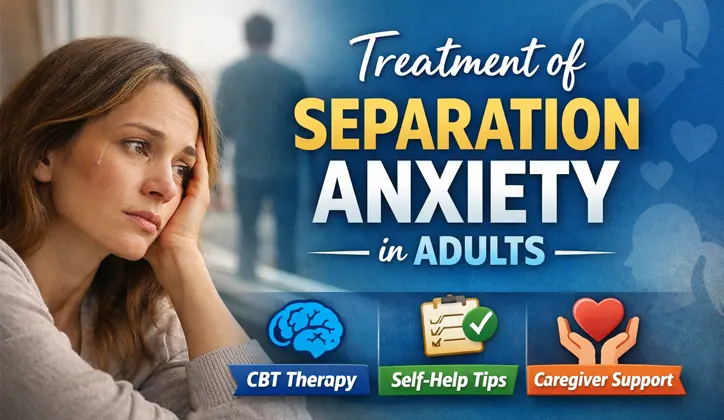
Many people think that separation anxiety, or the fear of being away from loved ones, only affects children. But the reality is that Treatment of Separation Anxiety in adults is important, as it can be a challenging mental condition. If you are afraid of being alone or experience intense anxiety when you are away from loved ones, remember that it is completely ‘fixable’. It is possible to overcome this problem with the right CBT therapy and caregiver support.
What Is Separation Anxiety in Adults?
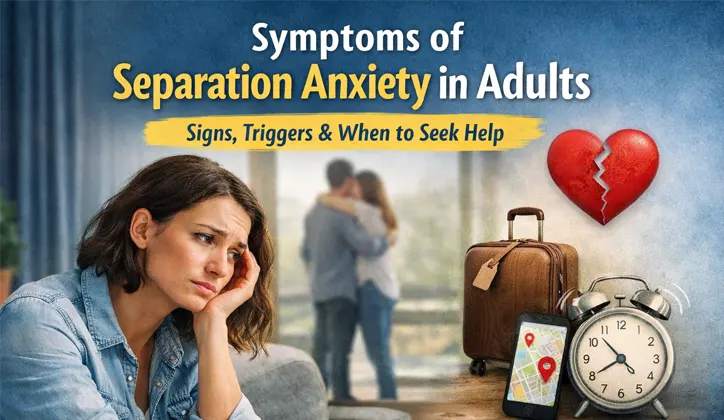
Simply put, separation anxiety is a mental condition in which an adult experiences abnormal fear and anxiety when thinking about or being away from someone they love or depend on (such as a spouse, parent, or child). It is not just a childhood habit, but a clinical disorder. This type of anxiety is especially common in romantic relationships, which often disrupts the normal rhythm of the relationship. You can also explore our Separation Anxiety Workbook for structured guidance.
Common Triggers of Adult Separation Anxiety
This problem does not start suddenly; there are some deeper reasons or triggers behind it that we, as experienced caregivers, regularly observe:
- Partner Dependency: Excessive emotional dependence on a partner.
- Past Trauma: Memories of losing a loved one in the past or a childhood separation.
- Caregiver Burnout: The fear of loneliness that builds up within you as you take care of someone for a long time.
- Attachment Style:‘Insecure Attachment’ style developed from childhood.
- Health Anxiety: Irrational fear that a loved one may become unwell.
Learn the key symptoms of separation anxiety in adults and common triggers by reading our blog.
Professional Treatments That Actually Work – Clinically Proven
Medical science has several effective methods for treating separation anxiety in adults that have been proven by research. Studies have shown that with proper treatment, 75% to 80% of patients experience significant improvement within a few months.
Cognitive Behavioral Therapy (CBT) – First-Line Treatment
CBT is the gold standard treatment. According to clinical studies, anxiety levels are reduced by about 60% in patients who receive CBT. Here, a therapist identifies your Catastrophic Thinking and replaces it with logical thinking. This strengthens your prefrontal cortex, which helps control fear.
Exposure Therapy (Systematic Desensitization)
This is a progressive approach. Research has shown that confronting fear in a controlled environment calms the Amygdala. We first isolate patients from the room for 5 minutes, then gradually increase the time to several hours. This step-by-step method is 90% effective in restoring confidence.
DBT and Mindfulness-Based Stress Reduction (MBSR)
Dialectical Behavior Therapy (DBT) is especially effective for those with severe panic or emotional dysregulation. It teaches you to build tolerance so that you don’t break down emotionally even when your loved ones are away.
Medication for Separation Anxiety in Adults
Medication is never the main solution to this problem, but it works as an adjunct to therapy. Doctors usually recommend the following medications:
- SSRIs: These reduce anxiety by maintaining serotonin levels in the brain.
- SNRIs: Effective for long-term anxiety.
Warning: Never take any anti-anxiety medication without consulting a doctor. Remember, medication reduces symptoms but there is no substitute for therapy to eliminate the fear in your mind.
Self-Help Strategies That Support Therapy
In addition to therapy, there are some steps you can take yourself that will speed up your recovery:
- Creating a routine: Create a specific daily routine for yourself so that you can spend your alone time productively.
- Mindfulness: Practice regular breathing exercises to focus on the present moment.
- 3-3-3 Rule: When you feel very anxious, look at 3 objects around you, listen to 3 sounds, and move 3 parts of your body. This helps reduce panic quickly.
- Gradual Exposure: Try to be alone for at least 10-15 minutes every day and celebrate that victory.
Separation Anxiety in Relationships & From a Partner
In relationships, separation anxiety often creates a situation where the partner feels suffocated. Due to the fear of abandonment, we often want to keep our partner in sight all the time. However, for a healthy relationship, it is important to have Healthy Boundaries or give each other personal space. Distance does not mean separation; rather, it increases the maturity of the relationship.
Will Adult Separation Anxiety Go Away?
Yes, it can definitely be cured. But it won’t happen overnight like magic. The healing process works step by step. Sometimes it may feel a little bad (Relapse), but if you practice the skills regularly, one day you will definitely feel happy and safe even being alone. Patience and the right guidance are the key here.
When to Seek Professional Help
When do you know you need help? As a caregiver expert, my advice is when you see:
- Your normal work or office is being disrupted due to your anxiety.
- You are constantly afraid of having a panic attack.
- Your relationship is on the verge of breaking up because of your behavior.
- You feel extremely tired or ‘burned out’ all the time.
In such situations, consult with our Caregiver Stability Snapshot without delay.
How Caregiver-Guided Support Improves Treatment Outcomes
Research has shown that recovery rates are significantly increased not only by therapy but also by the support of an experienced caregiver or mentor. A caregiver provides you with an ’emotional safety’ and monitors your small progress.
At TheUltimateCaregivingExpert.com, we don’t just provide information, we offer structured guidance and support through products like our Compassionate Care 101 and Hoarding Workbook to make the journey easier.
FAQs about Treatment of Separation Anxiety in Adults
Is separation anxiety part of OCD?
No, it’s different. But sometimes OCD patients also fear losing loved ones. Only a psychiatrist can make a proper diagnosis.
Which drink helps reduce anxiety?
Herbal tea or chamomile tea is great for calming the nerves. However, it is best to avoid caffeine or coffee as it can increase the heartbeat and trigger anxiety.
Is there a natural pill for anxiety?
Many people use ashwagandha or L-theanine supplements, but you should definitely talk to a specialist before taking them.
Is there a test to diagnose it?
It is not diagnosed through a blood test. Specialist doctors usually confirm it through the ‘Adult Separation Anxiety Questionnaire (ASA-27)’ or a clinical interview.
Final Thoughts
Being with or being attracted to your loved ones is not a weakness, it is a natural human instinct. But when this attraction becomes a source of fear, you need help. Instead of blaming yourself, take steps towards a solution.
Need support? If you or someone you know is going through this, remember that the right caregiver support can make your life easier. Consult with our expert team today.