
Why Caregivers Feel Guilty All the Time — And How to Break the Cycle


Millions of people in the United States care for family or loved ones every day. But that caregiving often comes with a lingering sense of guilt: Am I doing enough? Or I should have done better. These feelings, where Caregivers feel guilt, can have a profound impact on mental health. A recent analysis in Psychology Today found that this guilt is largely the result of empathy and over-responsibility, not failure.
How to Reduce Caregiver Guilt?
The answer may seem simple, but it takes patience to implement. As an expert, I say that small changes bring big relief in the long run. This is not a theoretical statement, but a tested truth that has changed the lives of thousands of caregivers.
To reduce caregiver guilt, you first need to understand that you can’t be perfect. Setting realistic expectations, prioritizing your own care, and seeking emotional support are the most effective ways to break this cycle. Research has shown that using positive coping strategies significantly reduces both guilt and stress.
Why Caregivers Always Feel Guilty
In our experience, this guilt stems more from unrealistic internal standards than from any external events. You are not alone, almost all caregivers go through this invisible emotional battle at some point in their lives.
- The pressure to be present all the time
- Feeling guilty about taking time for yourself
- Comparison with other caregivers
- Unspoken expectations of the family
According to the Caregiver Support Network, these triggers can lead to long-term emotional exhaustion and burnout.
The Psychological Impact of Caregiver Guilt
This impact on mental health should never be taken lightly. From a clinical psychology perspective, this chronic guilt can weaken not only the mind but also the body’s immune system, which is dangerous to ignore.
A study published in PubMed found that chronic guilt increases the risk of depression and anxiety among caregivers.
Mental and Physical Effects
The body and mind are intimately connected. Long-term observations have shown that those who harbor emotional guilt are more likely to develop physical problems such as chronic back pain or high blood pressure.
- Chronic stress and sleep problems
- Decreased self-esteem
- Relationship tension
The Alzheimer’s Association’s Caregiver Guide states that if left untreated, guilt can lead directly to caregiver syndrome.
What is Caregiver Syndrome?
Caregiver syndrome is not an official medical diagnosis. It is essentially a combination of long-term stress, fatigue, and guilt.
Common Symptoms
These symptoms are often mistaken for normal fatigue, but as an experienced mentor, I would say that these are red flags. If you can identify them early, you can avoid a major breakdown.
- Always feeling tired
- Resentment and anger
- Ignoring one’s own needs
Effective ways to break the cycle of guilt
These tips are not just wishful thinking, but are based on behavioral science. By making these changes step by step, you will see that it is possible to care for your loved one without feeling guilty.
1. Create realistic expectations
Accepting the fact that not everything is in your control is the first step. According to a 2024 guide from Psychology Today, guilt can be greatly reduced when expectations are realistic.
2. Consider self-care a responsibility, not a blame.
Taking care of yourself can help you be a better caregiver. According to the Voise Foundation, regular self-care improves the mental well-being of caregivers.
Simple self-care examples:
- 10 minutes of alone time every day
- Light exercise or walking
- Deep breathing exercises
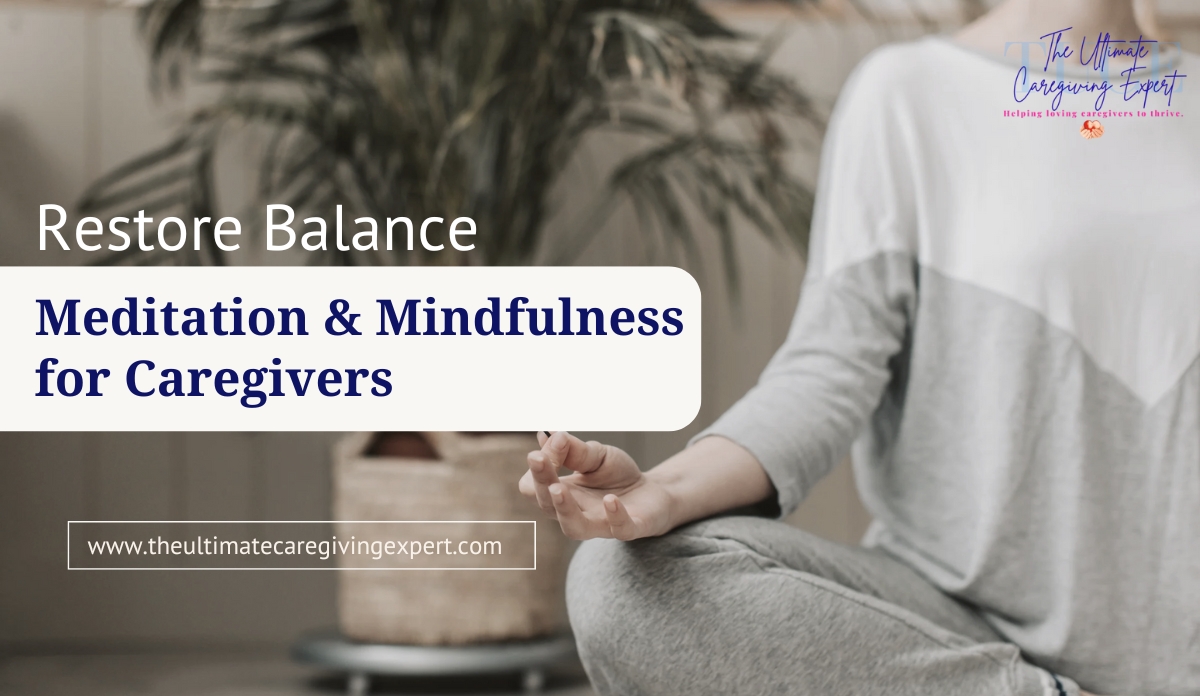
3. Mindfulness and mental awareness
Learning to be in the present moment reduces the feeling of I’m not doing enough. Studies have shown that mindfulness practice helps reduce feelings of guilt.
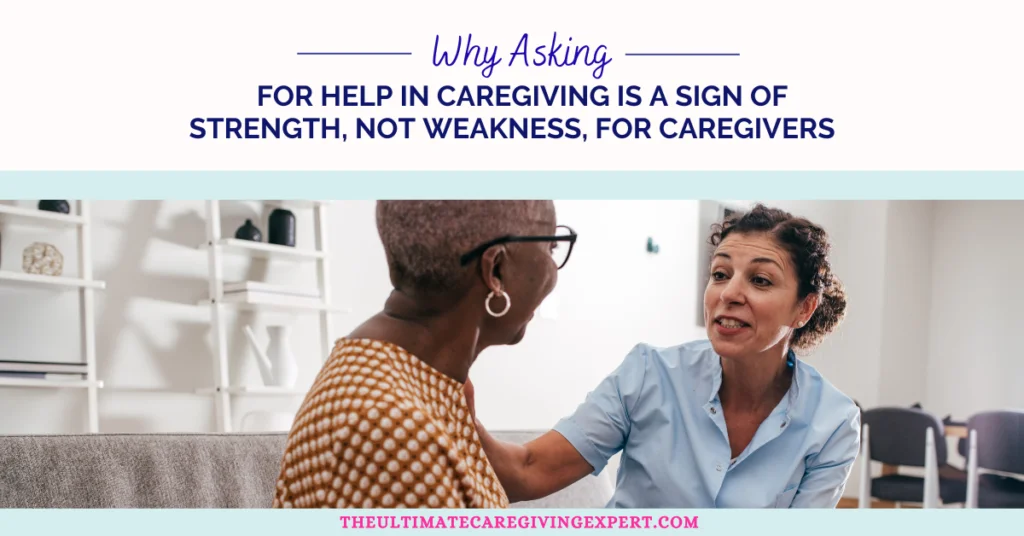
4. Get help- you don’t have to handle everything alone.
Talking to a support group or therapist can help normalize feelings of guilt. According to Caregiver.org, getting help significantly reduces caregiver stress.
Practical Experience From 10 Years of Experience
Over the past decade of providing caregiver training, The Ultimate Caregiving Expert have found that most caregivers are unnecessarily hard on themselves. As they learn to set boundaries, ask for help, and take care of themselves, the guilt gradually diminishes. Real change comes from changing the mental attitude.
Caregiver Guilt vs Healthy Sense of Responsibility
Understanding the fine line between guilt and responsibility is essential for mental well-being. This comparative analysis will help you give your emotions proper names and shed unnecessary emotional burdens.
| Subject | Guilt | Healthy sense of responsibility |
| Feeling | Always blaming yourself | Respecting limits |
| Impact | Stress and burnout | Stable mental state |
| Results | Fatigue, depression | Sustainable care |
Conclusion
Caregivers often suffer from guilt because they feel pressured to do everything perfectly. This guilt is actually a result of love, responsibility, and unrealistic expectations. With the right understanding, mental strategies, and support, it is possible to break this cycle of guilt.
- Caregiver guilt is common but manageable.
- Realistic expectations and self-care are essential
- Getting help is not a weakness, it’s a strength.
FAQs about Caregivers Feel Guilt
Why do caregivers suffer from guilt?
Because they want to make everything perfect out of love, which is not possible in reality.
Is it normal to feel guilty all the time?
While this is normal for a short period of time, if it continues for a long time, it is a sign of a mental problem.
What is psychological treatment for guilt?
Cognitive behavioral therapy (CBT) and support groups are most effective.







One thought on “Why Caregivers Feel Guilty All the Time — And How to Break the Cycle”