
The Caregiver’s Master Guide: Managing Diabetes in Older Adults 2026


Managing diabetes in a loved one is more than a medical responsibility; it is an act of profound love that requires a balance of vigilance, nutritional wisdom, and emotional resilience. As a caregiver, you are the bridge between a frightening diagnosis and a fulfilling life for your elderly family member.
When a loved one is first diagnosed, the wave of information can feel like a tidal wave. However, Care for Your Loved One with Diabetes in older age is not just about restriction—it is about optimization. By integrating modern medical protocols with time-tested natural remedies and lifestyle shifts, you can prevent complications and significantly improve their daily quality of life.
The Caregiver’s Role: More Than Just Monitoring
Diabetes is a chronic condition where the body cannot properly regulate glucose (blood sugar). In seniors, this typically manifests in two ways:
Type 1 Diabetes: An autoimmune condition where the pancreas produces little to no insulin.
Type 2 Diabetes: A metabolic disorder where the body becomes resistant to insulin. This is the most common form in older adults and is often linked to long-term lifestyle factors.
For older adults, uncontrolled blood sugar isn’t just a number on a meter. It leads to secondary conditions like nerve damage (neuropathy), vision loss, and increased heart risks. Your goal as a caregiver is to provide a safety net—to catch these fluctuations before they become emergencies.
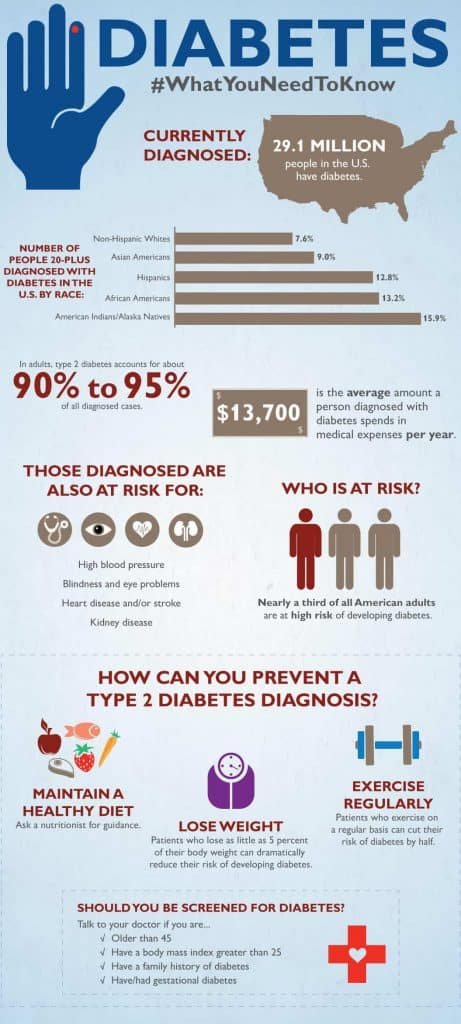
7 Essential Lifestyle Shifts for Elderly Diabetics
Modern caregiving requires a blueprint. Here is how you can transform your loved one’s environment to support their health.
1. The Clean Carbohydrate Strategy
Conventional wisdom often suggests eating whole grains. However, many caregivers find that grains containing gluten can cause gut inflammation in seniors, which indirectly spikes cortisol and blood sugar.
- The Pivot: Focus on carbohydrates free from wheat and processed fillers.
- What to serve: Prioritize carbohydrates from fruits, starchy vegetables like sweet potatoes, and legumes. By removing wheat-based gluten, you support gut health, which is the foundation of metabolic regulation.
2. Prioritizing Antioxidant-Rich Citrus
Oxidative stress is the silent enemy of the diabetic body. Citrus fruits—lemons, oranges, and grapefruits—are not just refreshing; they are packed with bioflavonoids that help improve insulin sensitivity.
- Caregiver Tip: Try adding a squeeze of fresh lemon into their water throughout the day to help fight free radical damage.
3. Mastering Stress Management
Stress is a physiological trigger for glucose production. When an elderly person feels stressed—whether from pain, loneliness, or the diagnosis itself—their body releases cortisol. This hormone signals the liver to dump glucose into the bloodstream.
- The Solution: Adopt daily de-stressing rituals. This could be 10 minutes of guided breathing, listening to calm music, or a gentle seated stretching routine.
4. Precision Hydration
Dehydration is a leading cause of unexplained blood sugar spikes in seniors. When the body is dehydrated, the blood becomes more concentrated with sugar.
- The Goal: Aim for 10–12 glasses of fluid daily. If plain water is difficult for them to consume, try unsweetened herbal teas or water infused with cucumber or mint to keep the liver from overproducing glucose.
5. High-Fiber Volume Eating
Fiber is a natural brake for blood sugar. It slows the absorption of glucose in the small intestine.
- Implementation: Ensure every meal has a fiber source like broccoli, berries, or beans. This creates a feeling of fullness, which helps with weight management—a critical factor for Type 2 diabetes.
6. Saying Goodbye to Soda
Sugary sodas are obvious culprits, but research increasingly points to the dangers of diet sodas for seniors as well. Artificial sweeteners can disrupt gut health, potentially increasing insulin resistance.
- The Swap: Replace soda with sparkling water flavored with a splash of real fruit juice or a slice of lime.
7. Movement as Medicine
Exercise isn’t just about weight loss; it’s about glucose clearance. When muscles move, they demand energy, pulling sugar directly out of the bloodstream.
- Caregiver Protocol: Aim for 30–60 minutes of low-impact movement daily. Even a slow walk after a meal can significantly flatten a post-meal blood sugar spike.
Natural Remedies: The Caregiver’s Herbal Toolkit
Note: Always consult with a healthcare provider before adding supplements to a senior’s regimen, as they can interact with prescription medications.
Basil (Tulsi)
Basil is more than a garnish. It contains compounds that may enhance insulin secretion. Incorporating fresh basil into salads or serving it as a tea can provide a gentle, natural boost to metabolic function.
Cinnamon
Cinnamon is one of the most researched spices for diabetes. It contains bioactive components that can mimic some effects of insulin. Adding a teaspoon of Ceylon cinnamon to morning oatmeal or yogurt is a simple, effective intervention.
Flax Seeds
Flax seeds provide both soluble fiber and Alpha-Linolenic Acid (an Omega-3). Always serve ground flax seeds. Whole seeds often pass through the digestive tract of seniors undigested. One tablespoon a day can help stabilize blood sugar levels.
Drumstick Leaves (Moringa)
Moringa is a nutritional powerhouse. Recent studies suggest it can reduce insulin resistance. It can be dried and used as a tea or added to soups and stews as a nutrient-dense green.
Neem Leaves
Neem has been used for centuries in traditional medicine. It contains chemicals that may help reduce blood sugar levels. Because of its potency, it is best used as a tea under professional guidance.
Bitter Gourd
This vegetable contains compounds that act like plant-based insulin. While the taste is an acquired one, juicing a small amount or sautéing it can have a profound impact on fasting glucose levels.
Indian Blackberry (Jamun)
The seeds of the Jamun fruit contain jamboline, which helps prevent the conversion of starch into sugar. This is a critical tool for preventing spikes after eating carbohydrate-heavy meals.
Bilberry leaves
Bilberry leaves are rich in anthocyanin. They stimulate the production of several proteins. In addition, they are in fat metabolism and the transportation of glucose. Due to this unique property, these leaves can control blood sugar levels. You can crush 100 grams of bilberry leaves that can be taken on an empty stomach every morning. Diabetes can not hurt you if you manage your symptoms. And these natural remedies are sure to help older adults manage their blood sugar levels with proper medications, lifestyle changes, and these natural remedies. You can live a fulfilling life with diabetes.
Addressing Caregiver Burnout: The Missing Link
Most diabetes guides forget the person holding the glucose monitor: You.
If the caregiver fails, the patient suffers. Managing a loved one’s diabetes is a 24/7 job. It is easy to lose your own business, your health, and your joy in the process. To be the ultimate caregiving expert, you must first care for yourself.
The Three-Pillar Self-Care Strategy:
Micro-Breaks: Take 5 minutes of sensory silence every two hours.
Professional Outsourcing: Don’t be afraid to hire a meal-prep service or a part-time nurse to handle the technical aspects of care.
Community Support: You are not alone. Engaging with other caregivers can provide the emotional validation that medical books cannot.
Modern vs. Traditional Diabetic Diets
| Feature | Traditional Diabetic Diet | Modern Clean Carb Approach |
| Grains | Whole wheat, brown rice | Wheat-free, focus on tubers/legumes |
| Sweeteners | Artificial (Sucralose/Aspartame) | Natural (Stevia/Monkfruit) |
| Hydration | General “drink more” | 10-12 glasses (Precision Hydration) |
| Primary Focus | Calorie counting | Insulin sensitivity & inflammation |
Conclusion: Taking the Next Step
Diabetes can be a debilitating condition if left to its own devices, but it is entirely manageable with the right systems in place. By focusing on clean nutrition, stress management, and the targeted use of natural remedies, you aren’t just managing a disease—you are protecting a life.
As a caregiver, your journey is unique, and your challenges are real. You deserve to keep your life and your business running smoothly while providing world-class care for your loved one.
One thought on “The Caregiver’s Master Guide: Managing Diabetes in Older Adults 2026”