
Leg Cramps in the Elderly: Causes, Treatment, Prevention and Home Remedies

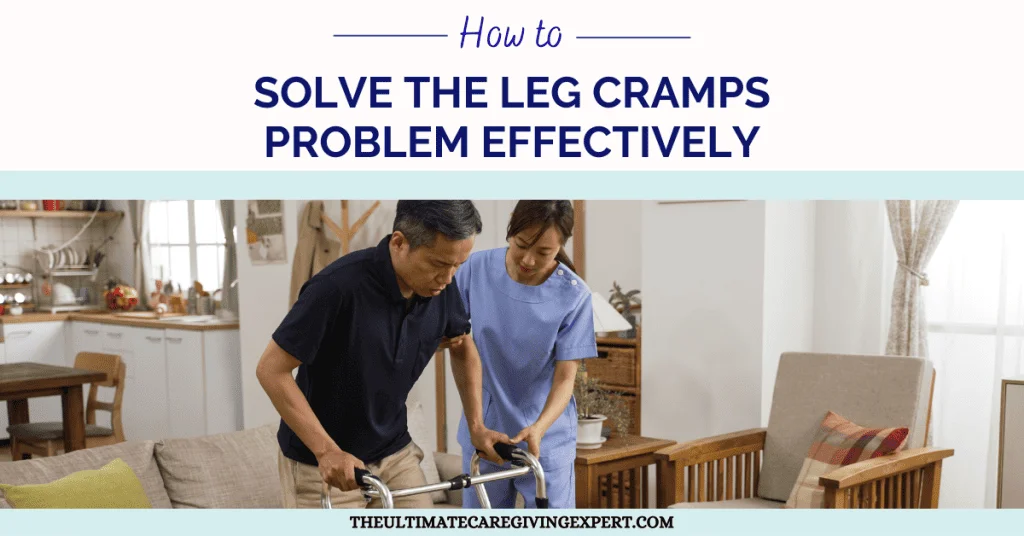
leg cramps in elderly are a common neuromuscular issue affecting adults aged 65 and older. These sudden, painful muscle contractions typically occur in the calves, thighs, or feet and often develop at night, a condition known as nocturnal leg cramps. Although usually not dangerous, leg cramps can significantly disrupt sleep, limit mobility, and reduce quality of life. Age-related changes in nerve function, circulation, hydration levels, and electrolyte balance increase risk. Understanding the causes, treatments, and prevention strategies is essential for effective long-term management.
What Are Leg Cramps in Older Adults?
Leg cramps are sudden, involuntary muscle contractions that typically affect the calf muscles, but may also involve the thighs or feet. In older adults, these cramps often occur during sleep and are commonly referred to as nocturnal leg cramps.
These episodes can last from a few seconds to several minutes and are frequently painful enough to wake an individual from sleep. Recurrent nighttime cramps can lead to sleep disruption, fatigue, and reduced mobility in seniors.
How to deal with leg cramps
Common Causes of Leg Cramps in the Elderly
Leg cramps often result from multiple contributing factors, rather than a single cause.
Musculoskeletal and Circulatory Factors
- Muscle overuse or muscle injury
- Reduced blood flow to the legs
- Prolonged sitting or remaining in one position for extended periods
Neurological and Metabolic Factors
- Age-related nerve degeneration
- Compression of spinal nerves
- Electrolyte imbalance (low magnesium, potassium, or calcium)
Lifestyle and Medication-Related Causes
- Dehydration
- Diuretic medications that deplete potassium
- Physical fatigue or lack of regular movement
There are also other, more severe causes.
- The disease of the peripheral arteries
- Multiple sclerosis
- Osteoarthritis
- Neuropathy in the extremities caused by diabetes
- Hypothyroidism
Medical Conditions Associated With Leg Cramps
In some cases, leg cramps may be a symptom of an underlying condition, including:
- Peripheral artery disease
- Diabetes-related neuropathy
- Osteoarthritis
- Hypothyroidism
- Multiple sclerosis
If cramps are frequent, worsening, or accompanied by weakness or numbness, medical evaluation is recommended.
Treatment Options for Leg Cramps in Older Adults
Treatment focuses on reducing nerve irritation, improving muscle health, and correcting mineral deficiencies.
Medications
While certain medications have been used for nocturnal leg cramps, options are limited:
- Pain relievers are generally ineffective for prevention
- Quinine has shown effectiveness but is not recommended due to serious side effects
The U.S. Food and Drug Administration (FDA) warns against using quinine for leg cramps due to risks such as heart rhythm disturbances and blood disorders.
Pickle Juice and Muscle Cramps: What the Research Suggests
Some studies suggest that pickle juice may shorten the duration of muscle cramps by activating TRPV1 ion channels, which help suppress abnormal nerve firing.
However:
- Pickle juice contains high sodium levels
- It may pose risks for seniors with hypertension or cardiovascular disease
Use with caution and consult a healthcare provider before regular use.
Home Remedies That May Help Relieve Leg Cramps
Several non-pharmaceutical strategies can help reduce the intensity and frequency of leg cramps in older adults. These remedies are generally safe but should be combined with medical advice if cramps are severe or persistent.
Yellow Mustard
Yellow mustard contains acetic acid, which may stimulate acetylcholine release, a neurotransmitter that helps muscles relax. Consuming a small teaspoon may provide rapid relief within minutes of a cramp episode.
Apple Cider Vinegar
Apple cider vinegar is a potassium-rich natural remedy that may help restore electrolyte balance when diluted in water. Potassium supports proper muscle contraction and nerve signaling, reducing cramp frequency.
Epsom Salt Baths
Magnesium in Epsom salt can be absorbed through the skin during a warm bath. Magnesium helps regulate neuromuscular function, relax tense muscles, and alleviate discomfort from cramps.
Blackstrap Molasses
Blackstrap molasses is a natural source of calcium, potassium, and magnesium, which are essential for muscle contraction and relaxation. Mixing it with warm water or milk may help maintain electrolyte balance.
Rosemary Compress
Rosemary contains anti-inflammatory compounds that can soothe localized muscle pain. Applying a warm rosemary-infused compress to the affected area for 10–20 minutes may reduce discomfort and improve circulation.
How to Prevent Leg Cramps in the Elderly
Prevention focuses on muscle conditioning, hydration, nutrition, and circulation support to reduce the risk of cramps.
Regular Exercise
Engaging in gentle physical activity helps maintain nerve-muscle communication and prevents muscle shortening. Recommended activities include:
- Stretching exercises targeting calves, thighs, and hamstrings
- Walking or light aerobic activity
- Low-intensity strength training
Adequate Hydration
Dehydration can lead to electrolyte imbalances, increasing the likelihood of cramps. Seniors should maintain consistent fluid intake, including water and electrolyte-rich beverages if medically appropriate.
Nutritional Support
- Magnesium: Supports neuromuscular function
- Vitamin D: Promotes muscle and bone health
- Vitamin E: Improves blood circulation to muscles
Always consult a healthcare professional before starting supplements, especially for those with kidney, heart, or metabolic conditions.
Massage and Heat Therapy
- Gentle massage increases blood flow to muscles, reducing stiffness
- Heat therapy relaxes tight fibers and can be combined with stretching for added effectiveness
When to See a Doctor
Seek professional medical advice if leg cramps:
- Occur frequently or during the day
- Are severe, worsening, or prolonged
- Are accompanied by swelling, numbness, tingling, or weakness
- Do not improve despite lifestyle adjustments
Persistent cramps may indicate underlying medical conditions such as peripheral artery disease, diabetes-related neuropathy, or electrolyte disorders, and require clinical evaluation.
Conclusion
Leg cramps in the elderly are common, often painful, and frequently disruptive to sleep—but they are manageable. In most cases, addressing hydration, nutrition, physical activity, and underlying health conditions can significantly reduce both frequency and severity.
If home remedies and preventive measures fail to provide relief, a professional medical evaluation is essential to rule out more serious causes and ensure safe, effective treatment.