Effective Ways to Deal with Medication Refusal Without Stress

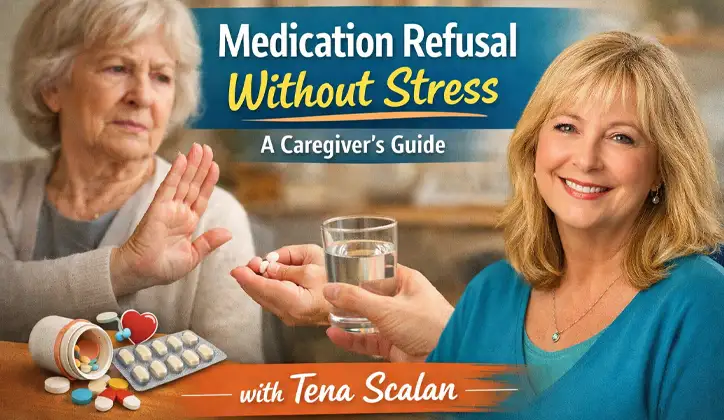
I understand how helpless you feel as a caregiver when your loved one refuses to take their medication. You know how important this medication is to their well-being, but their stubbornness or fear can make all your efforts seem futile. A study conducted in the United States found that nearly 40% of older people are reluctant to take their prescribed medication or forget to do so at least once a week.
I am Tena Scalan, and based on my long-standing caregiving experience, I will share with you today how to handle medication refusal without any stress or pressure. Our goal is to find a beautiful solution that balances the health of your loved one with your own peace of mind.
Reasons for Medication Refusal
As an expert, I have found that there is always a rational reason behind denial. It is not just stubbornness, but there may be other issues at the root:
- Side Effects: They may feel dizzy, have an upset stomach, or have a dry mouth after taking the medication. They avoid the medication to avoid this discomfort.
- Swallowing Difficulties: They often have difficulty swallowing large tablets, which can lead to a type of ‘medicine anxiety’.
- Loss of Autonomy: As people age, they realize they are becoming more dependent on others, and they try to maintain some control over their lives by not taking medication.
- Amnesia or confusion: Patients with dementia or Alzheimer’s often don’t understand why they are being given medication, which can lead to panic.
First Step: Right Approach and Communication
When someone refuses to take their medication, forcing or getting angry only makes the situation worse. Change your tactics:
- Stay calm: Your tone of voice should be calm and sympathetic. If you become agitated, the patient will also feel anxious.
- Don’t argue: Instead of saying, You have to take this, say, I know you don’t like taking medicine, but it will help you walk.
- Use empathetic sentences: For example, Dad, I understand this tastes bitter. Can we have some juice after eating this?
- Active Listening: Listen carefully to their fears or objections. Sometimes they just want a little attention from you.
Seek advice from a health expert or doctor
If medication refusal persists, don’t fight it alone. Talk to your doctor and discuss the following:
- Alternative form: If you have trouble swallowing tablets, ask your doctor if it is available in liquid or chewable form
- Dose reduction: Determine if an extended-release option is available that works over a longer period, eliminating the need for multiple daily doses.
- Safety Warning: Never crush any pill or capsule without your doctor’s permission. Crushing many medications can make them less effective or cause poisoning.
Practical Strategies to Increase Medication Adherence
As a caregiving expert, I always give the following tips to my clients:
- Create a routine: Try to give the medicine at the same time every day, such as right after breakfast. If this becomes a habit, there will be fewer interruptions.
- Positive reinforcement: Arrange for a small reward after taking the medicine, such as listening to his favorite song or telling him a story.
- Allow choosing: Don’t ask them directly, Do you want to take the medicine? Instead, ask, Do you want to take the medicine from the blue cup or the red cup? This gives them a sense of control.
- Medicine Buddy: If you take any vitamins or medications yourself, sit down with them and take them together so they don’t feel alone.
Coping with Caregiver Stress
You can’t give someone water from an empty pitcher yourself. The daily struggle with medication can cause you to feel ‘burnout’ or extreme fatigue.
- Take a break: Keep at least 15-20 minutes for yourself a day.
- Want help: Don’t hesitate to seek help from other family members or a professional caregiver.
- Mindfulness: Light exercise or breathing exercises will reduce your stress levels.
Remember, you are trying your best and that is enough. The Ultimate Caregiving Expert are always ready to provide you with emotional support during this difficult time.
When is professional help needed?
If the situation gets out of your control, professional intervention is necessary:
- If the patient does not take any emergency medication for more than 24 hours in a row.
- If he becomes violent because he doesn’t take his medicine.
- If his health deteriorates rapidly.
In such a situation, it is wise to create a customized care plan with expert advice.
Conclusion
Dealing with Medication Refusal is a labor of love and patience. With proper communication, medical advice, and a little creativity, you can make this process completely stress-free. Make your loved one’s medication time a simple daily habit instead of a scary one.
Visit our website today to make your caregiving journey easier and more enjoyable. Connect with The Ultimate Caregiving Expert to learn about a personalized care plan tailored to your loved one’s needs. We are here for you and your loved one.
FAQs about Handle Medication Refuse
What should I do if a patient with dementia does not want to take medication?
Take them to a quiet environment and give instructions in very short sentences. Sometimes, distracting their attention (distraction technique) and giving them medication is effective.
Can medicine be mixed with food?
Be sure to talk to your pharmacist or doctor before doing this. Some medications can interact with food and lose their effectiveness.
How can I help an elderly person take their medicine without stress?
Answer: Make it routine, offer simple choices, use praise, and take medicine together if possible. Keep the environment calm.
When should I involve healthcare professionals?
If refusal continues, causes health risks, or you need alternative forms of the medicine, contact the doctor or pharmacist.
What if the person fears side effects?
Explain the benefits clearly, discuss side effects with their doctor, and ask if safer alternatives or smaller doses are available.
How can caregivers manage their own stress?
Take breaks, rest, eat well, exercise, and seek support. You can’t help others if you’re overwhelmed.