

Caregiver Blog
How to Effectively Help with Restless Leg Syndrome in the Elderly

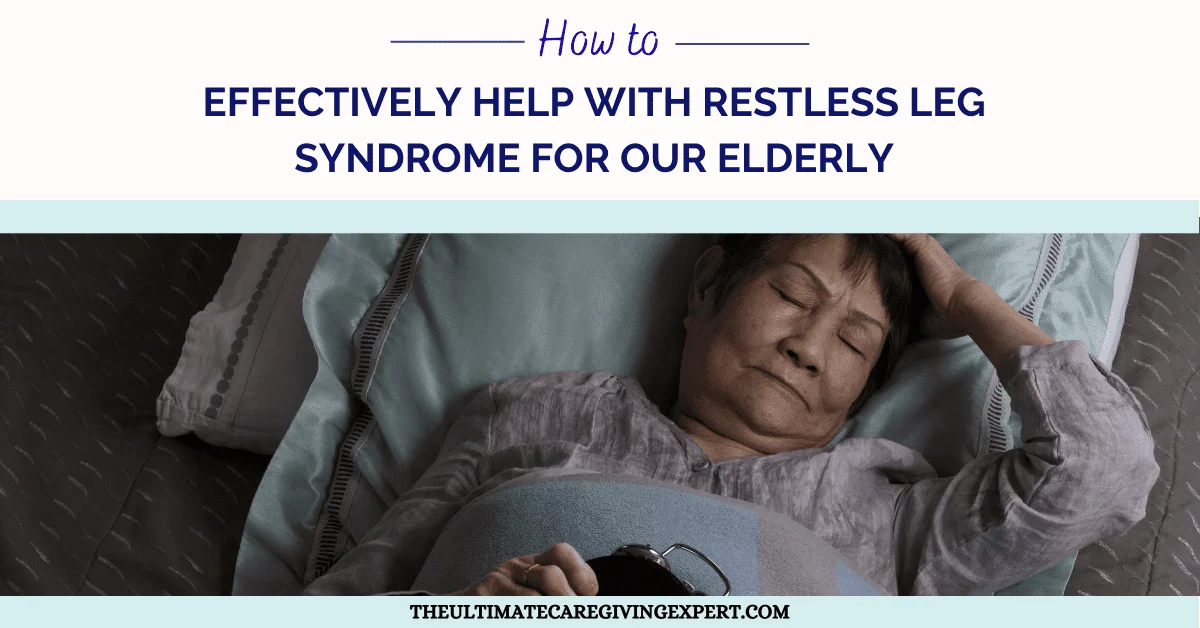
Restless Leg Syndrome (RLS), also known as Willis-Ekbom Disease, is a neurological condition that affects many older adultsoften more severely at night. For caregivers, watching an elderly loved one pace the floor, stretch their legs repeatedly, or struggle to sleep can be frustrating and exhausting.
RLS is more than just discomfort. In seniors, it can increase sleep deprivation, fall risk, daytime fatigue, and even caregiver burnout.
This guide is written specifically for family caregivers and elder-care providers. You’ll learn why RLS worsens with age, how it affects sleep, and practical, safe ways to help elderly adults manage symptoms effectively.
What Is Restless Leg Syndrome in Elderly Adults?
The primary symptom of RLS is an irresistible urge to move the legs, usually accompanied by uncomfortable sensations. These sensations are often described as:
- Crawling or itching
- Tingling or “pins and needles”
- Burning or jittery feelings
In seniors, these symptoms are often triggered by inactivity, such as sitting for long periods or lying in bed. Because it is a neurological disorder, it is believed to be linked to abnormalities in how the brain regulates dopamine, the neurotransmitter responsible for smooth muscle movement.
Why Restless Leg Syndrome Is Worse at Night for Seniors
RLS follows a circadian rhythm, meaning symptoms naturally peak in the evening. This creates a vicious cycle for the elderly:
- Sensations: The creepy-crawly feeling makes it impossible to relax.
- Movements: The need to move leads to kicking or thrashing, which disrupts the sleep cycle.
- Timing: Just as the body needs to enter restorative deep sleep, RLS symptoms hit their hardest.
- Sleep Quality: This leads to poor sleep, resulting in daytime fatigue, mood changes, and decreased cognitive function.
Common Causes of Restless Leg Syndrome in the Elderly
While the exact cause can be elusive, several factors specifically impact the older population:
Iron Deficiency in Older Adults
Iron is essential for dopamine production. Many seniors suffer from iron deficiency anemia or have low iron stores (ferritin), which can trigger or worsen RLS.
Medication Side Effects
Seniors are often on multiple medications. Certain drugs, such as antihistamines (often found in OTC sleep aids) and some antidepressants, are known to aggravate RLS symptoms
Reduced Mobility & Circulation
Sitting for hours at a time is a major trigger. When blood flow is sluggish and muscles are inactive, the nervous system may misfire, causing that jittery, uncomfortable sensation when the person finally tries to rest.
A Caregiver’s Perspective: I spend a lot of time sitting down. When I get in bed, my legs feel jittery and tingling. By midnight, I am pacing from one end of the house to another or doing squats just to get some relief. Restless leg syndrome is no joke.
How Caregivers Can Help an Elderly Person with RLS
Caregivers play a vital role in managing the environment and routine to minimize triggers.
Daytime Care Tips
- Keep them moving: Avoid long periods of sedentary behavior. If the senior enjoys reading or TV, encourage movement breaks every 30 minutes.
- Hydration and Diet: Ensure a balanced diet to reduce inflammation and maintain healthy circulation.
Nighttime Routine for Better Sleep
- Establish Hygiene: Maintain a strict sleep schedule.
- Create a Sanctuary: Ensure the bedroom is cool and comfortable.
- Avoid Stimulants: Cut off caffeine and alcohol early in the afternoon.
Safe Exercises for Seniors
Regular physical activity can significantly reduce RLS severity. Focus on:
- Walking or swimming
- Gentle cycling
- Yoga or Tai Chi: These help with both circulation and stress reduction.
Best Home Remedies for Restless Leg Syndrome in Seniors
If symptoms are mild, these home-based strategies can provide relief without heavy medication:
- Hot and Cold Therapy: A warm bath before bed or using heating pads/ice packs on the calves.
- Epsom Salt Soaks: The magnesium in Epsom salts helps relax muscles and reduce inflammation.
- Massage: Using oil or cream to massage the legs can improve blood flow and soothe the nervous system.
- Acupuncture & Aromatherapy: Lavender or chamomile essential oils can help promote the relaxation needed to override the RLS jitters.
Medications for Elderly with RLS (What Caregivers Should Know)
Before starting any regimen, consult a doctor. Common options include:
- OTC Pain Relievers: Ibuprofen or acetaminophen can help with mild discomfort.
- Supplements: Iron or Magnesium supplements (only if a deficiency is confirmed by blood work).
- Prescription Options: In severe cases, doctors may prescribe dopamine agonists or anticonvulsants.
- Caution with Antihistamines: While some use diphenhydramine (Benadryl) to sleep, it can actually make RLS much worse for many people.
When to See a Doctor for Elderly RLS
You should seek professional medical advice if the RLS:
- Causes significant daytime exhaustion.
- Increases the risk of falls (due to pacing at night in the dark).
- Interferes with daily activities like driving or sitting for meals.
- Is suspected to be a symptom of underlying kidney disease or diabetes.
FAQs About Restless Leg Syndrome in the Elderly
Can RLS be cured?
There is no definitive cure, but it can be managed effectively through lifestyle changes and medical treatment.
Does weight affect RLS?
Yes, maintaining a healthy weight can reduce the pressure on the circulatory system and may alleviate symptoms.
Are there specific triggers I should watch for?
Stress, caffeine, and long periods of inactivity are the most common triggers for seniors.
Conclusion
Restless Leg Syndrome (RLS) is a neurological disorder affecting millions worldwide. The exact cause of RLS is unknown, but it is believed to be related to abnormalities in dopamine regulation in the brain. RLS is characterized by an irresistible urge to move the legs, usually accompanied by uncomfortable sensations in the legs. These sensations can be described as crawling, itching, tingling, or burning, and they tend to worsen in the evening or at night.
Treatment for RLS varies depending on the severity of the symptoms and the underlying cause. Lifestyle changes such as exercise, avoiding stimulants, and improving sleep habits can help alleviate symptoms in mild cases. Home remedies such as applying heat or cold, massage, yoga, and meditation can also effectively reduce symptoms. In more severe cases, medication such as dopamine agonists, iron supplements, or anticonvulsants may be necessary to manage symptoms.
RLS can significantly impact a person’s quality of life, leading to disrupted sleep patterns, daytime fatigue, and decreased productivity. Therefore, it is essential to seek medical attention if you experience symptoms of RLS. However, with proper treatment and management, people with RLS can improve their quality of life and reduce the impact of this condition on their daily activities.


