Caregiver Burnout Treatment: Modern Guide and Permanent Solution for 2026

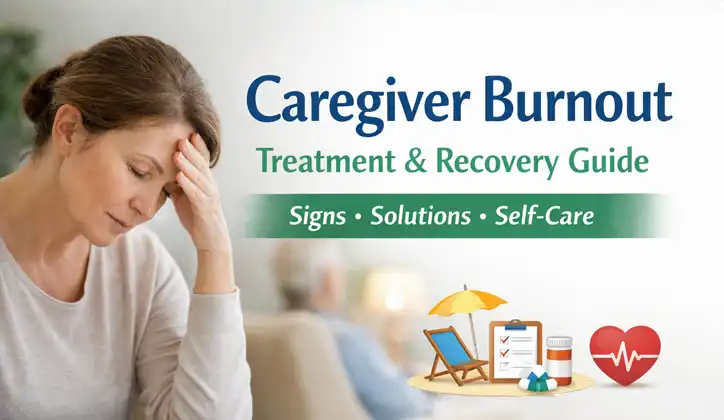
Caregiving is one of the greatest jobs in the world, but when it takes a toll on your mental and physical well-being, it’s called Caregiver Burnout. Recent statistics show that about 42% of family caregivers in the United States experience severe burnout at some point.
If you’re feeling tired, hopeless, or emotionally drained right now, remember that it’s not your failure, but rather a signal from your body that you need a reset.
Caregiver Burnout Treatment is built on three pillars: respite care, clinical intervention, and lifestyle reset. Effective ways to help include setting boundaries for yourself, getting enough sleep, and taking SSRIs or anti-anxiety medications as prescribed by your doctor. Studies have shown that following the 42% Rule and getting regular rest can help you recover from burnout faster.
Is Caregiver Burnout Just Fatigue?
We often dismiss caregiving fatigue as just normal work stress. But when it starts to wreak havoc on your mental health, it’s important to understand the physiological causes behind it.
Many people think of burnout as simple fatigue, but it goes deeper than that. When it turns into chronic stress, our cortisol levels rise and our decision-making ability, or ‘executive function,’ is lost.
If you feel like you’re currently losing yourself in caring for your loved one, our Warning Signs of Caregiver Burnout guide may be helpful for you. It will help you understand what stage you’re at.
Caregiver Burnout vs Compassion Fatigue: Why is the Distinction Important?
Burnout and compassion fatigue may sound similar, but their origins and solutions are completely different. Starting treatment incorrectly can make the recovery process longer, so it’s important to identify your exact problem first.
Many people confuse these two conditions, but their treatment methods are different.
- Caregiver Burnout: This is essentially extreme fatigue caused by workload and lack of resources. Here, the person feels like they can’t do it anymore.
- Compassion Fatigue: This is called the cost of caring. It is essentially secondary trauma. Here, the person becomes emotionally numb to the suffering of others.
Burnout requires rest, and compassion fatigue requires emotional therapy. Have you experienced this while serving your spouse? Read more: Husband Caregiver Burnout Guide
5 Scientific Steps to Burnout Recovery
According to medical science, recovering from burnout is a step-by-step process. Following these five Rs will not only provide temporary relief but will also help you regain your mental strength in the long term.
In medical science, the 5 Rs are given great importance to relieve burnout:
- Release: Expressing your pent-up emotions or anger (journaling or therapy).
- Relax: Deep breathing exercises to calm the nervous system.
- Respite: Taking a temporary break from service duties.
- Re-evaluate: Redefining the goals and boundaries of your service.
- Reconnect: Re-establishing contact with society or friends.
Actionable Daily Protocol: 10-Minute Recovery Routine
Even if you don’t have any time on your hands, it’s still possible to carve out 10 minutes a day for your mental health. These small habits will work like magic to control your stress hormones.
Follow this protocol to keep your nervous system calm even in the midst of busyness:
- Morning (2 minutes):4-7-8 breathing technique (inhale for 4 seconds, hold for 7 seconds, exhale for 8 seconds). This immediately reduces cortisol levels.
- Noon (5 minutes): Micro-Respite or short breaks. Put your phone away and have a cup of tea or look at a tree.
- Night (3 minutes): Grounding journaling. Write down one good thing you did for yourself today.
You can follow our special guide to make your recovery journey easier: Caregiver Burnout Recovery Program.
Professional treatment and therapy
It’s not always possible to overcome burnout on your own, and there’s no shame in that. When things get out of hand, it’s wise to seek professional treatment and therapy.
When self-care is not enough, it is important to seek expert advice.
- Cognitive Behavioral Therapy (CBT): It helps in eliminating negative thoughts and stress management.
- Medication: Doctors recommend medication for severe depression or anxiety.
- Support Groups: Talking to others relieves mental stress.
Professional Tips: Are you struggling to administer medication to your loved one? This can be a major cause of burnout. Check out our guide: Medication Refusal Management Guide.
The 42% Rule for Burnout
Resting doesn’t mean being lazy, it’s about recharging your body’s batteries. If you follow this scientifically proven rule, you’ll understand why it’s imperative to set aside a lot of time for yourself each day.
This rule is very popular in the 2026 Mental Health Guidelines. It means that you need to spend at least 42% of the day (i.e. about 10 hours) on rest, sleep, and personal work to keep your body’s physiological systems in order.
The 4 Stages of Burnout: Where Are You?
Burnout is a slow process that intensifies over time. Recognizing the signs of each stage can help you protect yourself from major emotional distress early on.
Burnout comes in four levels:
- Enthusiasm: Extra encouragement at the beginning of the service.
- Stagnation: Not paying attention to your own needs.
- Frustration: Losing your temper at the slightest sign.
- Apathy: Becoming completely emotionless.
To learn more, see our detailed guide on the 4 Stages of Caregiver Burnout.
FAQs about Caregiver Burnout Treatment
Is caregiver burnout completely curable?
Yes, it is possible to fully recover with the right lifestyle changes, professional support, and regular breaks. But it is important to be compassionate towards yourself. In many cases, caregivers emerge mentally stronger than before after recovery.
What exercise is best for burnout?
Yoga and light walking work best during burnout because they improve heart rate variability (HRV) and activate the parasympathetic nervous system. Just 15 minutes of walking in nature every day can significantly reduce your cortisol levels.
What medications are mainly used for burnout?
Doctors usually prescribe selective serotonin reuptake inhibitors (SSRIs) or anti-anxiety medications. However, remember that medications only reduce symptoms; lifestyle changes and therapy are essential to address the underlying problem. No medication should be taken without a doctor’s advice.
What is the difference between burnout and depression?
Burnout is primarily related to the stress of a specific job (caregiving) and is temporarily relieved by rest. On the other hand, depression is a deep-seated mental condition that affects all aspects of life and is not cured by rest alone. Burnout can develop into depression if it is prolonged.
Should you quit your job or service responsibilities if you have burnout?
Giving up is not always the answer. Sometimes, respite care or sharing responsibilities with additional helpers and setting boundaries can help with recovery. However, if your own physical health is at risk, you should consider professional assisted living or home care services.
What is the biggest mistake in a burnout situation?
The biggest mistake is to ignore the symptoms and think it will go away on its own. Not seeking help and blaming yourself only makes the situation worse. It is called the “Silent Killer” because it slowly saps your vitality.
How long does it take to recover from caregiver burnout?
It depends on your level of burnout. It usually takes a few weeks to a few months to see significant changes by following the right protocol. Remember, this is not a race; give yourself enough time to recover.
Conclusion
Caregiver Burnout Treatment is not a luxury, it is your right. You can only take proper care of your loved ones if you are healthy. Take a small step for yourself today.
Author Note: An experienced caregiver specialist verifies this content. We believe that accurate information can change a caregiver’s life.

2 thoughts on “Caregiver Burnout Treatment: Modern Guide and Permanent Solution for 2026”