
The Definitive Caregiver’s Guide to Geriatric COPD Management

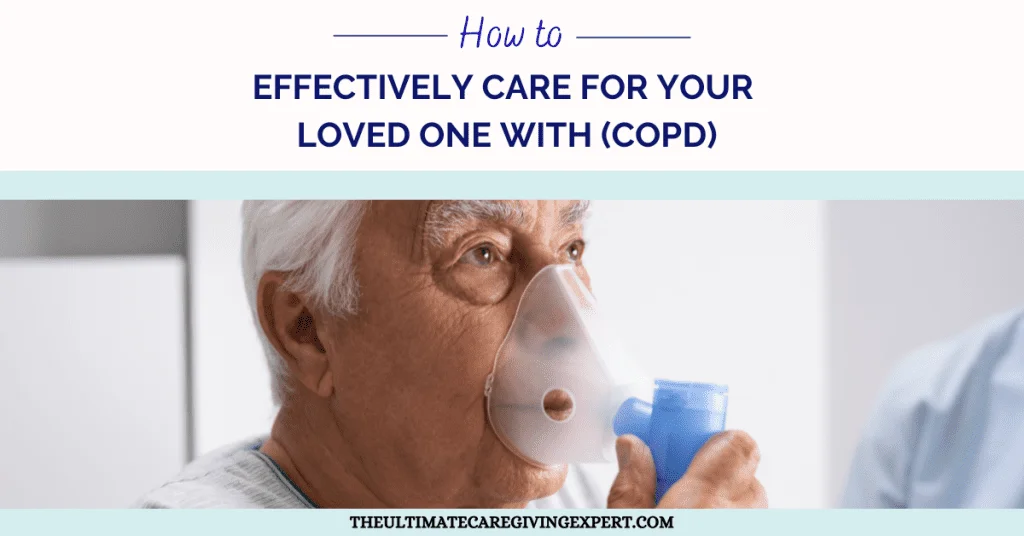
Caring for a senior with Chronic Obstructive Pulmonary Disease requires a transition from general support to clinical vigilance. Effective COPD care for elderly loved ones is a multifaceted journey, as this progressive condition—encompassing emphysema and chronic bronchitis—affects over 15 million Americans. Seniors face the highest risk of complications, making your role as a caregiver vital.
This definitive guide provides a professional roadmap to navigate the four GOLD stages, monitor for critical signs like cyanosis, and manage complex comorbidities. By mastering respiratory techniques and mitigating environmental triggers, you can significantly improve your loved one’s air quality and daily comfort.
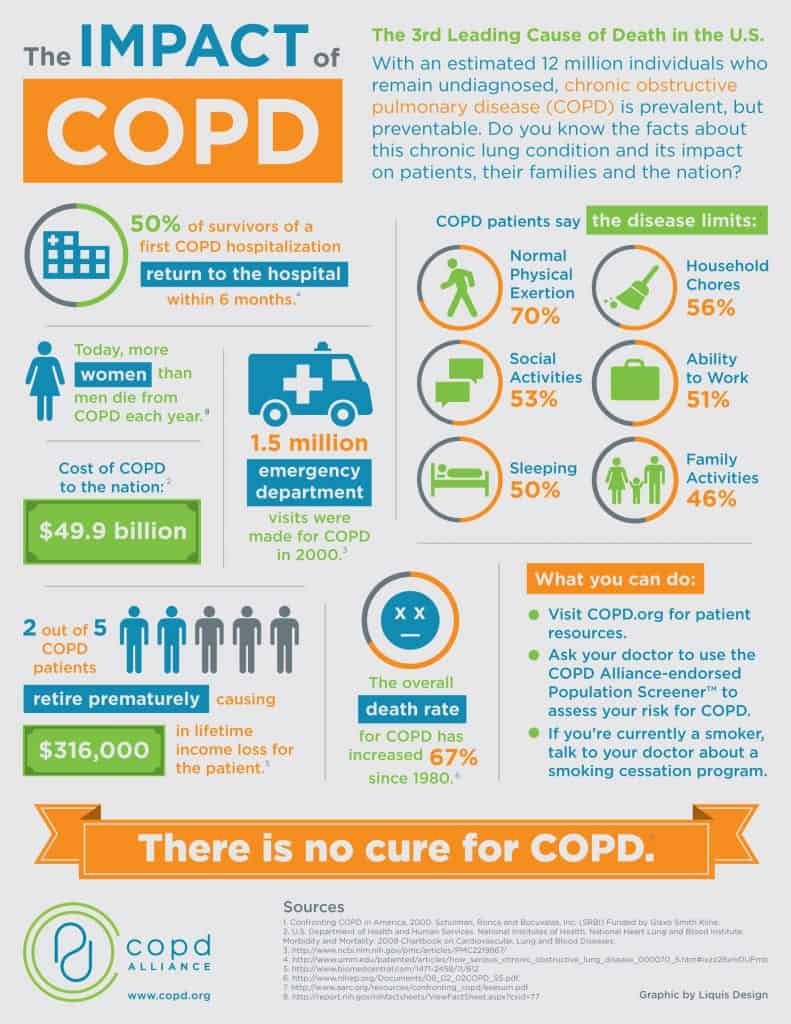
For guidance on managing multiple chronic conditions, see our resource on creating a caregiving plan of care.
Understanding the Pathophysiology of COPD
COPD interferes with normal airflow, making it difficult for the lungs to exchange oxygen and carbon dioxide. While smoking remains the primary etiology, secondary causes include:
- Environmental Irritants: Exposure to secondhand smoke, air pollution, and chemical fumes.
- Genetic Factors: Family history or Alpha-1 antitrypsin deficiency.
- History of Asthma: Long-term untreated inflammation increases risk.
The 4 Clinical Stages of COPD (GOLD Guidelines)
Caregivers must identify the transition between stages to adjust treatment intensity.
Stage 1 [Mild]: Often asymptomatic or presents as a smoker’s cough. The goal is smoking cessation and lung irritant removal.
Stage 2 [Moderate]: Shortness of breath (dyspnea) occurs during physical exertion. This is the typical point of clinical diagnosis.
Stage 3 [Severe]: Significant airflow limitation. Symptoms include morning headaches and edema (swelling). Supplemental oxygen is often introduced.
Stage 4 [Very Severe]: Highly persistent symptoms and potential for respiratory failure. Management centers on palliative support and robust adherence to medical regimens.
Causes of Chronic Obstructive Pulmonary Disease (COPD)
- Passive smoker/exposure to secondhand smoke
- Exposure to irritants such as fuel, smoke, or dust
- Family history of COPD
- Asthma
- Air pollution
Symptom Vigilance: From Mild to Emergency
Caregivers should monitor for these specific clinical signs:
Initial Indicators
- Shortness of breath following mild exercise.
- Frequent need to clear the throat.
- Recurrent, mild respiratory infections.
Advanced Manifestations
- Wheezing: A high-pitched whistling sound during expiration.
- Cyanosis: A blue tint to the lips or fingernail beds indicating low oxygen.
- Chronic Productive Cough: Production of white, yellow, or greenish sputum.
- Unexplained Weight Loss: Caused by the excessive energy required to breathe.
For related guidance on breathing challenges, check out how to prevent bedsores with a little TLC — where proper positioning also helps improve respiratory comfort.
Diagnostic Tools for COPD Confirmation
If you suspect your loved one has COPD, ensure their physician orders these standard diagnostic tests:
- Spirometry: Measures lung capacity and airflow velocity.
- Chest X-ray / CT Scan: Rules out heart failure and identifies emphysema or lung cancer.
- Arterial Blood Gas Analysis: Evaluates how efficiently the lungs remove carbon dioxide and oxygenate blood.
7 Critical Tips for Managing Home Care
1. Environmental Trigger Mitigation
Maintain a clean air zone. Eliminate chemical cleaners, perfumes, and dust. Use HEPA air purifiers to reduce lung inflammation.
2. Nutritional Management
Implement a low-sodium diet to prevent water retention (edema). High-fiber foods are essential to prevent constipation, which can cause abdominal bloating that hinders diaphragmatic movement.
3. Medication Compliance
Ensure rescue inhalers and maintenance bronchodilators are used exactly as prescribed. Lack of compliance is the leading cause of COPD “flares” or exacerbations.
4. Pulmonary Rehabilitation
Support gentle movement and specific breathing exercises (like pursed-lip breathing) to strengthen respiratory muscles and boost morale.
5. Infection Prevention
Due to weakened lung immunity, seniors with COPD should stay current on flu and pneumonia vaccinations.
6. Positioning for Respiratory Comfort
Avoid flat-lying positions. Use pillows or adjustable beds to keep the upper body elevated, allowing for maximum lung expansion.
7. Emergency Protocol Planning
Recognize the Red Flags: Sudden chest tightness, confusion (due to lack of oxygen), or inability to speak. Have a primary contact and hospital preference ready.
For emotional resilience while caregiving, discover how to remember your self-worth — a must-read for maintaining inner strength.
Conclusion
Caring for a loved one with Chronic Obstructive Pulmonary Disease can be overwhelming — but with the right knowledge, planning, and compassion, it becomes manageable. By understanding COPD, implementing lifestyle adjustments, and following medical advice, caregivers can significantly improve their loved one’s quality of life.
Remember: your well-being matters, too. Take care of yourself and reach out for help when needed. Explore our caregiving consulting services to create a customized caregiving plan that supports both you and your loved one.
One thought on “The Definitive Caregiver’s Guide to Geriatric COPD Management”