
Caregiver Blog
Family Caregivers: What They Really Need, From the Hospital Floor to the Kitchen Table


Family Caregivers: What They Really Need
Family caregivers are holding up American health care, and most of them are doing it alone. I know, because I have spent my life on every side of caregiving.
I started in healthcare as a candy striper at a very young age. Since then, I have seen caregiving from every side. I had no idea then how much of my life I’d spend caring for people, or how different it would feel when the person who needed me was someone I loved.
I earned my associate degree in Medical and Business Administration and went on to work in every department at Humana Hospital in New Orleans. I thought that is where the important work would be, but it was not. I moved into home health, then owned and ran my own home care agency for 12 years, first in Louisiana and later moving along the Gulf Coast. Over the years, I trained 56 caregivers and worked directly with families as a private caregiver. I know what it takes to get care in place, keep it going when schedules change, and figure out who’s going to show up when there’s a gap.
I’ve also cared for five members of my own family. I know what it’s like to be the person everyone looks to for answers when you’re still trying to figure out what to do yourself. That’s why I do the work I do today. I help family caregivers sort out what needs to happen first, who can help, and how to keep going without carrying it all alone.
After all those years, here’s what I know for sure.
Caregivers don’t fail. Systems fail them.
We hand families one of the hardest jobs in America and expect them to figure it out as they go. They’re trying to care for someone they love without a plan, without enough training, and without a reliable way to get a break. And when the care takes more time, they’re the ones figuring out how to pay the bills if they have to cut back at work.
That’s why I wrote this guide. I’ll take you through three places I know firsthand: the hospital floor, the agency office, and the family kitchen table. We’ll look at what happens in each place, what family caregivers need when the care comes home, and what you can do this week to make it more manageable.
Family Caregivers in America by the Numbers
If you are a family caregiver, you are not alone. You are one of 63 million Americans, about 1 in 4 adults, caring for a loved one, according to AARP and the National Alliance for Caregiving. That number has grown by 45% in the last ten years.
The care you give has real value. In 2024, family caregivers of adults gave 49.5 billion hours of care, worth about $1.01 trillion (AARP, Valuing the Invaluable 2026). That is more than our country spends on Medicaid.
The average caregiver now gives 27 hours a week, and nearly 1 in 4 give 40 hours or more. That is a full time job, usually on top of another job.
On the Hospital Floor: Where Caregiving Begins
For most families, caregiving begins with a phone call or a hospital discharge. Your loved one goes home, and the medical work goes home with them.
About 20 million family caregivers perform medical and nursing tasks that trained professionals usually do. Most manage medications. Many prepare special diets, change wound dressings, or manage incontinence. Most were never really shown how. About half say they worry about making a mistake (AARP Home Alone research).
There is some help on paper. In 44 states and territories, a law called the CARE Act requires hospitals to record the name of the family caregiver, tell that caregiver before discharge, and offer instruction on the care needed at home. Since 2024, Medicare also pays doctors and therapists to train family caregivers.
But in real life, many families still walk out the door with a stack of papers and a head full of fear. I worked inside hospitals for years. Discharge moves fast, and the family is often the last to know what comes next.
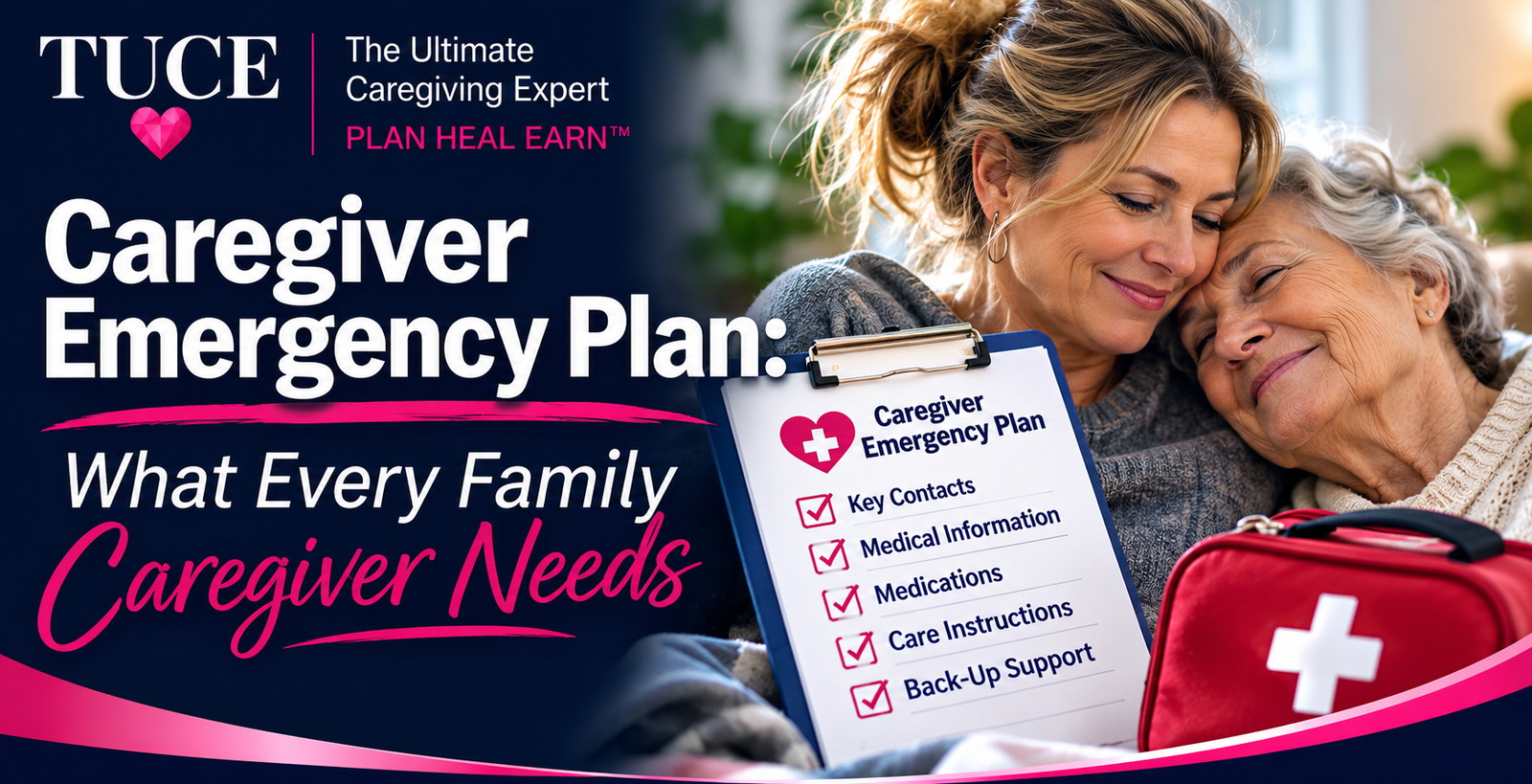
What helps: Before discharge, ask the nurse to show you each task, then do it yourself while they watch. Ask who to call at night. Write it all down in one place. My caregiver emergency plan guide walks you through it.
In the Agency Office: Help Exists, but It Is Hard to Get
As an agency owner, I learned this side the hard way. The hardest part was never the families. It was finding enough good caregivers to send.
That problem is bigger today. Home care agencies lose about three out of four caregivers every year. Many agencies turn down new clients because they don’t have the staff. And when an agency can’t fill a shift, a family member fills it.
Paid help is also expensive. In home care now costs a median of $35 an hour (CareScout Cost of Care Survey 2025). Full time help at home can top $80,000 a year, more than assisted living at about $6,200 a month. A semi private nursing home room runs about $9,581 a month. I track these numbers closely in my own research.
Many families are surprised to learn that Medicare does not pay for ongoing daily care at home or in a nursing home. Medicaid can help, but usually only after savings are spent down. Even then, more than 600,000 people are on Medicaid waiting lists for home care.
What helps: Call your local Area Agency on Aging (the Eldercare Locator at 1.800.677.1116 can connect you). Ask about respite, adult day programs, and any caregiver programs in your state. If your loved one has served in the military, ask the VA about caregiver support too.
At the Kitchen Table: What Family Caregivers Carry
This is where caregiving really lives. It is the medication chart on the refrigerator, the late night worry, and the bills spread across the table.
Your health. About 1 in 5 caregivers say their own health is fair or poor because of caregiving. Caregivers skip their own doctor visits, lose sleep, and run on empty.
Your money. Caregivers spend about $7,200 a year of their own money on care, and nearly half feel financial strain. Many cut their hours or leave work. Over a lifetime, that can cost hundreds of thousands of dollars in wages, savings, and Social Security.
Your job. Nearly 70% of working caregivers say it is hard to balance work and care. Federal family leave is unpaid, and only 13 states and Washington, D.C. have mandatory paid family leave programs.
Your heart. Guilt, grief, and loneliness come with the role. Many caregivers are caring for a parent and children at the same time. Others are caring for someone with dementia, which nearly 13 million family members do today (Alzheimer’s Association).
And the pressure is growing. As the Baby Boomer generation ages, there will be fewer family members available to care for each older adult. In 2010, there were about seven possible family caregivers for every person over 80. By 2030, there will be only four.
What Family Caregivers Truly Need
After all my years in hospitals, agencies, and family homes, I believe families need three things, in this order. I call it Plan, Heal, Earn.
Plan: A clear map
Caregivers need one organized place for everything: medications, doctors, routines, emergency contacts, and next steps. They need to know what to do first and when to ask for help. A plan turns panic into steps. If you are new to this, start with my first 30 days checklist for a first time caregiver.
Heal: Room to breathe
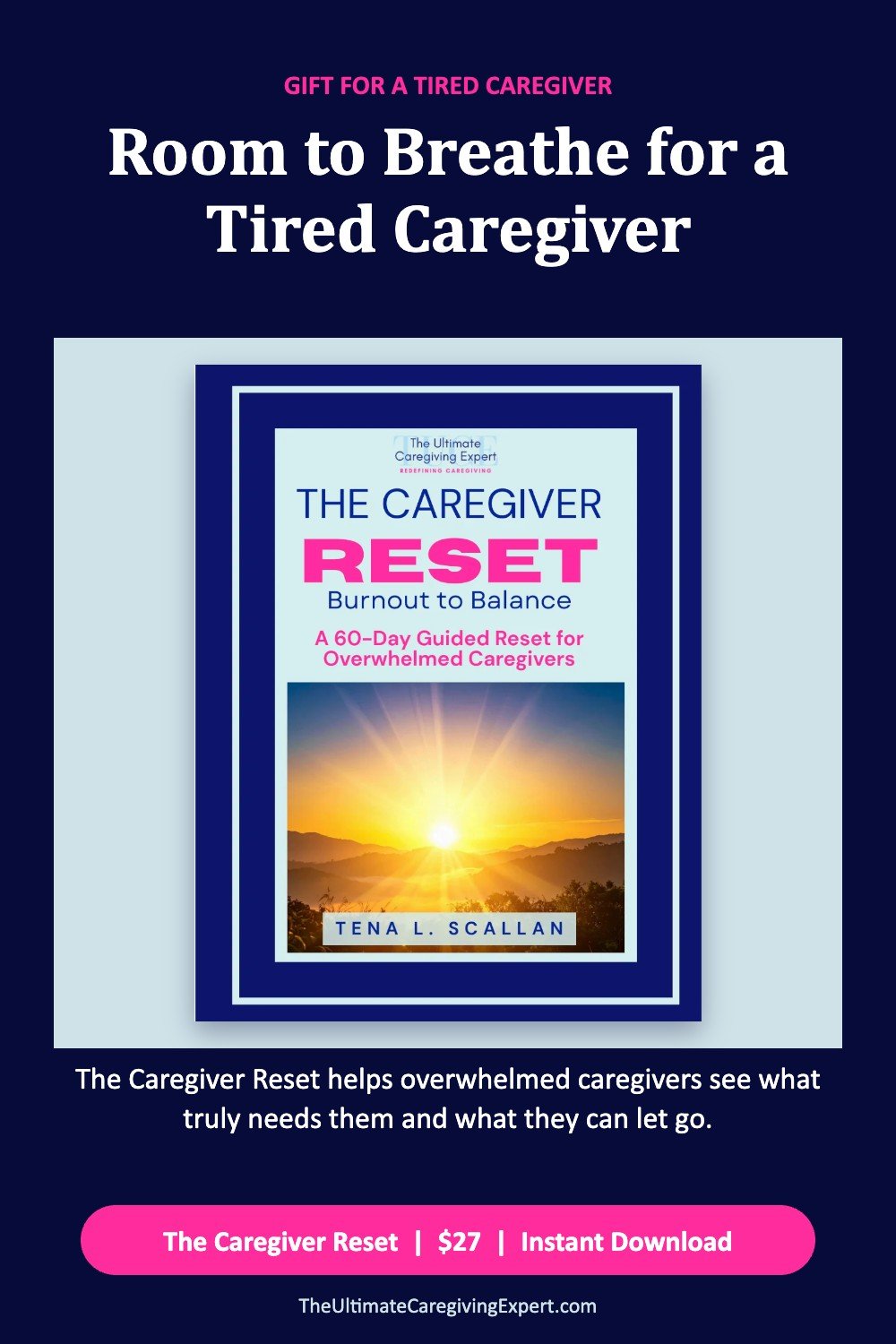
Caregivers need real rest and emotional support. Almost 40% say respite would help them, yet few get it. Burnout is not weakness. It is a warning light. When the caregiver breaks down, the care breaks down too.
If you ever feel hopeless or think about harming yourself, please call or text 988, the Suicide and Crisis Lifeline. You deserve support right now.
Earn: Protecting your future
Caregivers need a way to protect their income while they care. That might mean flexible work, a new skill, or remote work that fits around caregiving. Your future matters too. Learn more in my guide to caregiver income and financial stability.
What You Can Do This Week
- Make one list of every medication, dose, and doctor. Keep it on the refrigerator and in your phone.
- Write your emergency plan while you are calm: who to call, which hospital, insurance details, and where the important papers are.
- Ask for one specific thing from one person. Not “let me know if you need anything,” but “Can you sit with Mom Tuesday from 2 to 4?”
- Call your Area Agency on Aging and ask what help exists where you live.
- Check on yourself. How many hours did you sleep? When did you last see your own doctor? Write down one thing you need.
If this feels like too much to do alone, I can help you sort it out and build your plan.
Where Help Is Starting to Appear for Family Caregivers
There is hope. Medicare now pays for caregiver training. A Medicare program for dementia care, called GUIDE, offers up to $2,500 a year in respite for eligible families. More employers are adding caregiver benefits. Some states now offer caregiver tax credits, and Congress is considering a federal credit of up to $5,000.
These changes are real, but they are slow, and most families have never heard of them. That is why I do this work.
Frequently Asked Questions About Family Caregivers
How many family caregivers are there in the United States?
About 63 million Americans, roughly 1 in 4 adults, provided ongoing care to a loved one in the past year, according to AARP and the National Alliance for Caregiving’s 2025 report.
Does Medicare pay family caregivers?
No. Medicare does not pay family members to provide care, and it does not cover ongoing daily custodial care. Some Medicaid programs, VA programs, and state programs do pay family caregivers, and about 11 million caregivers receive some form of pay.
What is the biggest need of family caregivers?
In my experience, the first need is a clear plan. Families leave the hospital with medical work and no map. After that, they need rest from burnout and a way to protect their income.
Where can family caregivers find help near them?
Start with your local Area Agency on Aging through the Eldercare Locator at 1.800.677.1116. Ask about respite care, adult day programs, caregiver training, and benefits your loved one may qualify for.
You Do Not Have to Do This Alone
You are doing one of the hardest and most loving jobs there is. You deserve a plan, real rest, and a secure future of your own.
If you are ready to get organized, start with The Caregiver Plan workbook. If you are running on empty, The Caregiver Reset is a 60 day guided reset from burnout to balance. And if you want a plan built around your family, my Caregiver Stability Plan puts it all together for you.
I am here to help.
Sources
AARP and National Alliance for Caregiving, Caregiving in the U.S. 2025. AARP Public Policy Institute, Valuing the Invaluable 2026. AARP and partners, Home Alone Revisited (2019). AARP, CARE Act resources. AARP and S&P Global, working caregivers study (2024). CMS, Caregiver Training Services and GUIDE Model. CareScout, Cost of Care Survey 2025. Activated Insights, Benchmarking Report 2026. KFF, Medicaid home care waiting lists (2025). Alzheimer’s Association, Facts and Figures 2026. Child Trends, paid family leave (2026). AARP Public Policy Institute, The Aging of the Baby Boom and the Growing Care Gap (2013).