
How to Manage Prostate Problems in Elderly Men – 2026 Complete Guide


Prostate problems are extremely common in men over 50. As men age, the prostate naturally changes in size and function. These changes can affect urination, sleep, comfort, and overall quality of life. Early awareness, proper diagnosis, and lifestyle management can significantly improve outcomes. This guide explains symptoms, causes, treatment options, and practical steps for better prostate health in elderly men.
What Is the Prostate and Why Does It Matter After 50?
The prostate is a small gland found in men, located just below the bladder and in front of the rectum. It surrounds the urethra, which is the tube that carries urine from the bladder out of the body. The prostate gland produces a fluid that is part of semen, which is the fluid that carries sperm during ejaculation. The prostate gland is essential for male reproductive function, and its size and position can change as men age. Prostate health is vital, as prostate problems such as prostatitis, benign prostatic hyperplasia (BPH), and prostate cancer can affect men’s quality of life and overall health.
Most Common Prostate Problems in Elderly Men
Managing problems in the elderly involves various treatment options depending on the specific condition. Here are some ways to address common problems in the elderly:
Benign Prostatic Hyperplasia (BPH)
Abbreviated as BPH, it is among the most common problems in older men. 60% of men 60 years and above and 80% of men aged 80 years and above suffer from BPH. It is when an enlarged it begins to compress the urethra, blocking the urine flow. The condition is non–cancerous but does require treatment.
Prostatitis
Prostatitis is a condition characterized by inflammation of the prostate gland. It is common in men aged 50 years or below. However, It can also affect elderly adults and males. Prostatitis causes painful urination in the affected population. It can be either acute or chronic, and the t, treatment depends on the condition’s cause. Bacterial infections can also cause this, and antibiotics are the sure choice.
Prostate cancer
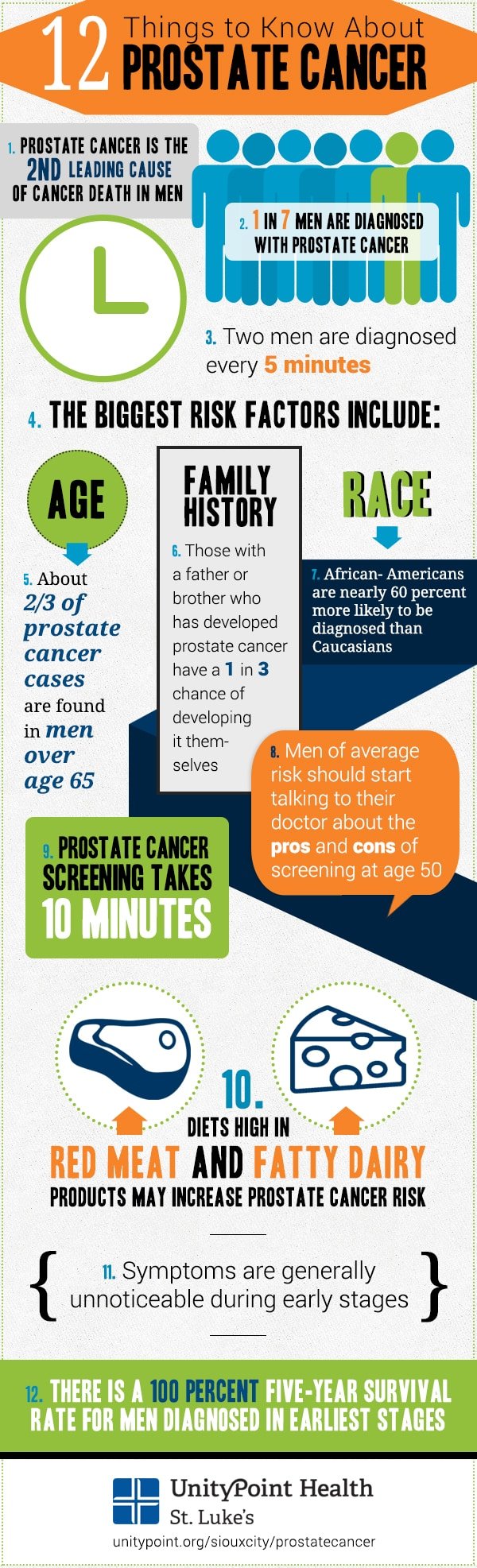
Cancer of the prostate is a common illness among ageing men. The highest prostate cancer incidence rates are in men aged 70 – 80. Also, prostate cancer is the 3rd most common cause of death due to cancer in men aged 80 years and above. It was also stated that 41% of men between 75 and 84 die of prostate cancer. According to the American Cancer Society, early detection improves survival outcomes significantly.
In addition to medical treatments, lifestyle changes can also help manage problems in the elderly. For example, eating a healthy diet, exercising regularly, and avoiding alcohol and caffeine can help reduce the risk of these issues. It’s also essential for older men to stay on top of their prostate health by getting regular check-ups and exams from their healthcare provider.
The Primary Function of the Prostate Gland
It is to produce a fluid that mixes with sperm from the testicles to create semen. This fluid contains substances that help to nourish and protect the sperm as they travel through the female reproductive system. The prostate gland also helps to regulate urine flow by contracting and relaxing the muscles around the urethra.
Several conditions can affect the gland, including prostatitis, benign prostatic hyperplasia (BPH), and prostate cancer. Prostatitis is an inflammation of the gland, while BPH is a non-cancerous enlargement of the gland that can cause urinary problems. Prostate cancer is common cancer in men and can cause a range of symptoms depending on the stage and severity of the disease.
The gland is crucial in male reproductive function and overall health. Men must maintain good prostate health through regular check-ups and healthy lifestyle habits.
Symptoms of Prostate Problems include the following
If an elderly man experiences any of the following, medical evaluation is important:
- Nocturia – need to urinate several times in the night
- Difficulty in completely emptying the bladder
- The urgent need to urinate now and then
- Difficulty in urinating
- Dribbling at the end of urination
- A weak stream of urine
Treatment Methods for Prostate Problems
The treatment methods for prostate problems depend on the specific condition, the severity of symptoms, and individual patient factors. However, here are some standard treatment options for issues:
Medications
Medical treatments for prostate issues include alpha-blockers to relax bladder muscles and 5-alpha-reductase inhibitors to shrink the gland. For infections, antibiotics are essential. If pills aren’t enough, minimally invasive laser therapy or needle ablation can destroy obstructive tissue. However, managing these prescriptions can be difficult; if your loved one resists their treatment, learning to handle medication refusal in caregiving is crucial for their recovery.
Surgery
Surgery may be necessary in some cases of prostate problems, such as to remove a cancerous prostate gland. Transurethral resection of the prostate (TURP) is a standard surgical procedure that involves removing part of the prostate gland to relieve symptoms.
Radiation therapy
Radiation therapy can treat prostate cancer by using high-energy beams to destroy cancer cells. This can be done externally or by placing tiny radioactive seeds directly into the prostate gland.
Active Surveillance
In some cases, such as for early-stage prostate cancer, active surveillance or watchful waiting may be recommended. This involves regular monitoring of the prostate gland to detect any changes in size or function.
Men need to talk to their healthcare provider about the best treatment options for their specific prostate problem. In addition, maintaining good prostate health through healthy lifestyle habits, such as regular exercise and a balanced diet, can also help prevent prostate problems and improve treatment outcomes.
Lifestyle and Home Remedies
- Avoid drinkings too many fluids in the late evening. This will help limit the number of trips to the bathroom at night.
- Do not delay your visit to the bathroom. Instead, go when you first feel the urge to urinate. Waiting for bathroom visits can over-stretch the bladder muscles and cause damage.
- A healthy diet is the key to healthy living and also prevents obesity. Obesity can be one of the major causes of an enlarged prostate.
- Limit caffeinated drinks throughout the day. Caffeinated beverages can not only increase urine production. But they also irritate the bladder.
- Avoid or limit the intake of antihistamines and decongestants when you cough, have a cold or have an allergy. These drugs show to stiffen the muscle bands surrounding the urethra, making it difficult to urinate.
- Staying active also helps eliminate urine problems. Even if you have an enlarged prostate, a small amount of daily exercise can make a significant difference.
- Scheduling your bathroom visits can also help in retraining the bladder. For example, you must try urinating every 3 – 4 hours daily. This will be helpful for those who have increased frequency and urge to urinate several times a day.
- Practice the method of double voiding. For this, you need to urinate again a few moments later. This will help in completely emptying your bladder.
Prostate Cancer Treatment
- Prostate surgery – To remove the prostate gland.
- Radiation therapy – Destroying the cancerous cells with the help of the radiation beam.
- Chemotherapy: Therapy that destroys the cancerous cells with the drugs.
- Hormone therapy – This is a treatment that targets the male sex hormones.
Steps to Better Prostate Health
- Exercise. Training is one of the most significant factors that can help maintain good prostate health. By exercising regularly, men can maintain a healthy weight. Which in turn would help keep their prostate problems under check. Various studies have proven the fact that vigorous forms of exercise can do a lot in improving prostate diseases. Several studies have demonstrated that overweight men tried to lose weight through exercise. It also helps in reducing prostate size and making a difference in reducing their chances of suffering from urinary symptoms and prostate cancer.
- Herbal teas. Research has suggested that drinking herbal teas significantly reduces the risk of getting prostate disease. As it is essential to maintain a safe distance from caffeinated drinks, older men should always opt for green and hibiscus tea to prevent irritating the prostate gland.
- Avoid stress. This is yet another major factor. It has a significant contribution to the development of prostate problems. Therefore, stress can hurt the prostate health of older men. So, caregivers should make an effort to practice ways to reduce their stress.
- Moreover, stress also hurts the immune system. This, in turn, increases their chances of suffering from frequent infections. All these factors, in conjunction, can affect the prostate health of older men.
- Healthy diet. This can be a lot of help when it comes to maintaining good prostate health. Various foods can be prostate-friendly. Some are fruits, vegetables, nuts, avocados, and olives. Including these in the diet can positively impact the prostate health of older men. The best diet for older men with prostate problems is low in sugar, saturated fats, and processed foods. A fish- and plant-based diet can best prevent prostate diseases.
FAQs about Manage Prostate Problems
Can prostate enlargement turn into cancer?
No. BPH is non-cancerous. However, both conditions can occur at the same time.
Is prostate cancer always life-threatening?
Not always. Many cases grow slowly and can be managed with active surveillance.
What is the best drink for prostate health?
Water is best. Herbal teas may help. Avoid excessive caffeine.
At what age should screening begin?
Most men should discuss screening at age 50. High-risk men may start earlier.
Conclusions
Prostate problems are common in older men and can affect their quality of life and overall health. These problems can range from non-cancerous conditions, such as prostatitis and benign prostatic hyperplasia (BPH), to prostate cancer. Treatment options for prostate problems in the elderly depend on the specific situation and individual patient factors.
Medications, minimally invasive procedures, surgery, radiation therapy, and active surveillance are all potential treatment options for prostate problems. Lifestyle modifications, such as regular exercise and a balanced diet, can also help maintain good prostate health and reduce the risk of prostate problems.
Older men need to stay on top of their prostate health by getting regular check-ups and prostate exams from their healthcare provider. Early detection and treatment of prostate problems can improve treatment outcomes and overall quality of life.