
Sleeping Issues in Older Adults: Causes, Symptoms, and Solutions


Sleeping issues in older adults are a common yet often overlooked health concern. These sleep disturbances can make it difficult for seniors to fall asleep, stay asleep, or achieve restorative rest. Poor sleep not only affects daily energy levels and mood but can also increase the risk of chronic conditions such as heart disease, diabetes, and cognitive decline.
Understanding the types, causes, and solutions of sleep disturbances is essential for caregivers and older adults alike. This guide provides actionable strategies backed by research to improve sleep quality in seniors.
Key Takeaways
- Older adults frequently experience insomnia, sleep apnea, restless legs syndrome, and circadian rhythm disorders.
- Over 50% of adults aged 65+ report difficulties in falling or staying asleep.
- Sleep deprivation can worsen cognitive decline, depression, and chronic illnesses.
- Lifestyle changes, medical treatment, and sleep routines can improve sleep quality.
- Caregivers should monitor sleep patterns and seek professional help when needed.
Common Sleeping Issues in Older Adults
Insomnia
Insomnia is the most prevalent sleep disorder in seniors. It is characterized by difficulty falling asleep, staying asleep, or waking up feeling unrefreshed despite adequate sleep opportunities. Chronic insomnia increases daytime fatigue and can affect memory, attention, and mood.
Sleep Apnea
Sleep apnea occurs when breathing repeatedly stops and starts during sleep. This causes fragmented sleep and excessive daytime sleepiness. Untreated sleep apnea is linked to high blood pressure, heart disease, and diabetes.
Restless Legs Syndrome (RLS) and Periodic Limb Movement Disorder (PLMD)
RLS causes an uncontrollable urge to move the legs, often accompanied by uncomfortable sensations. PLMD involves repetitive limb movements during sleep. Both conditions disrupt sleep continuity and reduce restorative rest.
Narcolepsy
Narcolepsy is a neurological disorder that affects the brain’s sleep-wake regulation. It causes sudden daytime sleep attacks and may include cataplexy, a sudden loss of muscle tone triggered by strong emotions.
Parasomnias
Parasomnias include sleepwalking, sleep talking, night terrors, and nightmares. These abnormal behaviors occur during sleep stages and can disturb both the individual and their caregivers.
Circadian Rhythm Disorders
Circadian rhythm disorders occur when the body’s internal clock is misaligned with desired sleep times. Examples include jet lag, shift work sleep disorder, and delayed sleep phase syndrome. These disorders are common in older adults due to age-related changes in melatonin production.
Dealing With Your Sleeping Issues
Although sleep problems become more common with age, they are not a normal or unavoidable part of aging. It is not typical for senior citizens to sleep fewer hours per night. Getting enough sleep is critical for the health of our loved ones and the younger generation. Studies show that over 50% of adults aged 65 and older experience sleep disturbances, often due to medical conditions, medication use, and changes in circadian rhythm. The inability to fall asleep, difficulty falling asleep, and failure to sustain rest are all common signs of sleep issues in our loved ones. Other symptoms include excessive tiredness throughout the afternoon, waking up early, and difficulty falling asleep. As a caregiver, it can be stressful to solve your sleeping issues while avoiding doing anything that might aggravate the illness further. Here are practical strategies that can help improve sleep quality immediately.
Getting enough rest is essential for both your health and your loved one’s well-being. Also, adopting a routine for caregivers can greatly improve sleep consistency and overall mental health.
Sleep disturbances increase with age due to biological changes, medical conditions, and lifestyle factors that affect sleep quality and duration.
- Both men and women, as they become older, tend to sleep less and acquire various sleep disorders.
- People who don’t get the recommended amount of sleep each night are also more likely to have clinical sadness and a higher chance of cognitive impairment than people who get the recommended amount of sleep each night.
- Sleep quality declines with age because the body produces less deep sleep (slow-wave sleep), which is essential for physical recovery and memory consolidation.
Common Causes of Sleep Disturbances in Older Adults Include
Sleep disturbances in older adults are multifactorial. Key causes include:
- Medical Conditions: Pain, arthritis, and chronic illnesses can interfere with sleep.
- Medication Side Effects: Some prescriptions, including diuretics and steroids, disrupt sleep cycles.
- Stress and Emotional Changes: Loss of loved ones, relocation, or caregiving stress may trigger insomnia.
- Hormonal Changes: Menopause and reduced melatonin levels affect sleep initiation and maintenance.
- Lifestyle Factors: Inactivity, limited sunlight exposure, irregular routines, and social isolation contribute to poor sleep.
- Environmental Factors: Bright bedroom lights, electronics, and noise can inhibit melatonin production and reduce sleep quality.
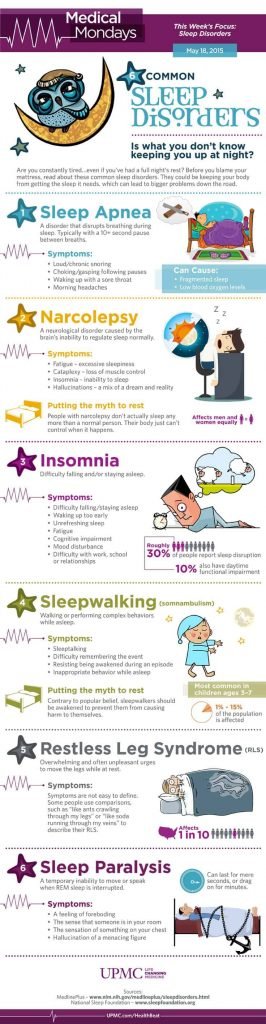
Recognizing Sleep Disturbances: Symptoms to Track
Caregivers should monitor older adults for these signs:
- Difficulty falling or staying asleep
- Excessive daytime sleepiness
- Early morning awakenings
- Nighttime restlessness or frequent bathroom trips
- Mood swings, irritability, or decreased cognitive function
Documenting these symptoms helps healthcare providers tailor treatment strategies.
Health Risks of Chronic Sleep Deprivation
Persistent sleep deprivation increases the risk of:
- Cognitive decline and memory impairment
- Depression and anxiety
- Cardiovascular diseases such as hypertension and heart attacks
- Diabetes and metabolic disorders
- Obesity due to hormonal imbalances affecting appetite
Practical Tips to Improve Sleep
1. Maintain a Regular Routine
Set consistent bedtimes and wake-up times to strengthen the body’s circadian rhythm. Include calming pre-sleep rituals such as reading or light stretching.
2. Optimize Bedroom Environment
- Use low-level lighting at night to stimulate melatonin production.
- Keep the bedroom cool, quiet, and free from electronic distractions.
- Comfortable mattresses and pillows enhance sleep quality.
3. Encourage Physical Activity
Regular exercise improves sleep onset and duration. Activities like walking, yoga, or gentle stretching are ideal for seniors.
4. Manage Diet and Hydration
- Limit caffeine, alcohol, and nicotine.
- Avoid heavy or spicy meals close to bedtime.
- Offer light snacks like warm milk if nighttime hunger occurs.
- Reduce fluid intake before bed to minimize bathroom disruptions.
5. Treat Underlying Health Issues
Address medical conditions that affect sleep, including chronic pain, depression, and sleep apnea. Consult healthcare professionals for personalized interventions.
6. Support Mental Relaxation
Mindfulness, meditation, and breathing exercises reduce stress and promote sleep readiness. Even short daily sessions improve relaxation.
To maintain overall wellness, it’s also helpful to include mindfulness and meditation techniques in your daily routine to promote better relaxation and sleep quality.
When to Seek Professional Help
Older adults should see a sleep specialist if:
- Excessive daytime sleepiness persists despite lifestyle changes
- Breathing interruptions occur during sleep (possible sleep apnea)
- There is frequent unintentional dozing during daily activities
Providing detailed sleep logs and symptom records helps clinicians develop targeted treatments.
Conclusion
Sleep issues in older adults are common but manageable. By understanding the types, causes, and symptoms of sleep disturbances, caregivers and seniors can take actionable steps to improve rest. Lifestyle modifications, consistent routines, environmental adjustments, and professional guidance significantly enhance sleep quality and overall well-being.
Caring for seniors requires both knowledge and attention to detail. Implementing these strategies ensures older adults achieve restorative sleep while caregivers maintain balance in their own lives.
About the Author
Tena Scallan is a caregiving expert specializing in senior health, sleep disorders, and caregiver wellness. With years of experience supporting families, she provides practical, evidence-based guidance to improve quality of life for older adults and caregivers.
2 thoughts on “Sleeping Issues in Older Adults: Causes, Symptoms, and Solutions”