
Vertigo Symptoms in Older Adults: Warning Signs Caregivers Should Never Ignore

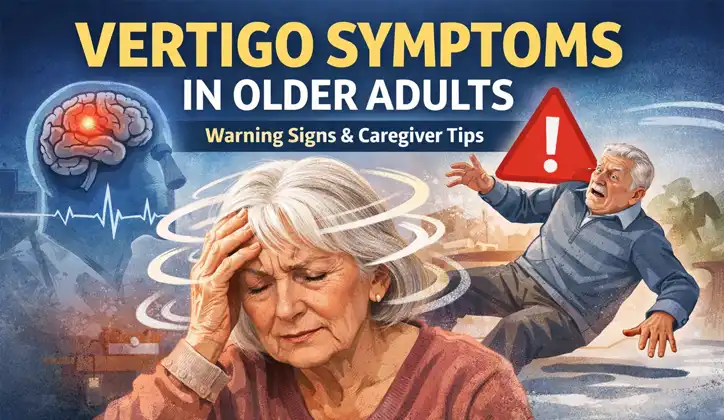
Vertigo symptoms in older adults refer to a sudden sensation of spinning or movement, even when the body is still. Unlike general dizziness, vertigo causes a strong loss of balance and greatly increases the risk of falls in seniors. In some cases, vertigo in older adults can also be an early warning sign of serious conditions such as stroke. For caregivers, recognizing these symptoms early and understanding when to seek urgent medical help can be life-saving.
What Vertigo Feels Like in Older Adults
Older adults often have difficulty verbalizing their feelings. As a caregiver, you need to understand the difference between a headache and walking around the house, because treatment begins with this description.
- Spinning Sensation: It feels as if the room or surrounding furniture is spinning.
- Unsteadiness while walking: Feeling like you have no control over the ground or are leaning to one side while walking.
- Lightheadedness vs Vertigo: Lightheadedness is a feeling of dizziness or fainting. On the other hand, vertigo is a severe loss of balance that creates the illusion of spinning.
Common Vertigo Symptoms in the Elderly – Caregiver Checklist
Vertigo is not just a feeling of dizziness; it also comes with other physical symptoms that we often mistake for age-related fatigue. I have seen in my long caregiving career that identifying these symptoms at the right time can greatly reduce the mental distress of the elderly.
- Nausea or vomiting
- Blurred vision or seeing two things at once
- Ringing in the ears or reduced hearing
- Feeling excessively tired and reluctant to work.
- Sudden confusion or loss of awareness of space and time
- Abnormal eye movements
Red Flag Vertigo Symptoms in Older Adults
When can’t even a second be wasted? Not all vertigo is common. If you experience sudden loss of balance, difficulty speaking, or numbness in any part of your body, you should suspect central vertigo rather than peripheral, which is directly related to a brain injury or stroke.
Question: What else, along with dizziness, increases the risk of stroke?
- A sudden, severe headache that has never happened before.
- Slurring or difficulty understanding speech.
- Weakness on one side of the body or drooping of the face.
- Sudden loss of vision or being covered in darkness.
- Inability to stand at all due to an imbalance.
As a caregiver, knowing these red flags can help you avoid major dangers.
Why Vertigo Is So Common in Older Adults
As we age, the balance sensors in our inner ear begin to deteriorate. In addition, medications for several diseases in the elderly can destabilize their blood pressure, which is one of the main factors contributing to vertigo.
- BPPV: Displacement of tiny calcium particles inside the ear.
- Medication side effects: Especially high blood pressure or sleeping pills.
- Dehydration: Because older people are less thirsty, they drink less water, which lowers blood pressure.
- Blood pressure changes: Dizziness caused by sudden changes in position.
- Neurological conditions: Such as Parkinson’s or multiple sclerosis.
What Is the Most Common Cause of Vertigo in the Elderly?
BPVV is the most common type of vertigo in the elderly. Studies have shown that about 50% of cases of vertigo in people over the age of 65 are caused by misalignment of these calcium particles. It can be temporary but very severe.
BPV is usually triggered by very simple head movements, such as turning over in bed or lifting your head to look up. It is not a serious condition, but it can make older people afraid of falling, which can lead to hip fractures or head injuries.
Is Vertigo a Symptom of Something Serious?
Vertigo itself is not a fatal disease, but it can be the first warning sign of a bigger problem. As a trainer, I always say that vertigo is the body’s smoke alarm, it’s going off, meaning there’s a problem somewhere that you have to find out.
It can range from a simple ear infection to a serious brain problem. In the case of a TIA or mini-stroke, the patient may also experience vertigo as an initial symptom. Therefore, ignoring chronic vertigo means inviting great danger.
How Doctors Test and Diagnose Vertigo in Older Adults
Vertigo tests are usually not painful, but they can be a bit uncomfortable for older people. As a caregiver, your main job is to be there to provide emotional support during the test and to provide accurate information to the doctor.
- Dix-Hallpike Test: Eyeball movements are observed by changing the position of the head.
- Audiometry: It is checked whether the ear nerve is fine or not.
- MRI or CT Scan: This may be necessary to rule out the risk of a tumor or stroke.
- Blood Tests: To check for diabetes or anaemia.
Usually, an ENT (ear, nose, and throat specialist) is seen first, but if the symptoms are complex, a neurologist’s consultation is necessary.
Safe Relief Tips for Seniors
When a vertigo attack begins, the patient becomes panicky, which further increases blood pressure. The main task of a caregiver is to remain calm and make the environment safe so that the patient does not fall.
- Immediately have the person sit up or lie down with a cushion to help them regain balance.
- Reassure them to avoid sudden neck or head movements.
- Give him plenty of water to drink and let him rest in a dark room.
- If there is any carpet or wire on the floor of the house, remove it so that you don’t trip over it.
- Don’t let him walk alone until he regains balance.
Medications That Can Cause or Worsen Dizziness in the Elderly
Vertigo often increases after starting a new medication. The liver and kidneys of the elderly take longer to metabolize drugs, so the side effects are more severe in them.
Blood pressure medications, sleeping pills, and certain antidepressants can increase dizziness in older adults. So it’s important to regularly review your medication list with your doctor and report any new symptoms immediately.
How Long Does Vertigo Usually Last in Older Adults?
How long vertigo lasts depends on the underlying cause. As a caregiver, tracking this duration is crucial, as it directly helps the doctor understand the nature of the condition.
- BPPV: From a few seconds to 1-2 minutes.
- Meniere’s Disease: 20 minutes to a few hours.
- Vestibular Neuritis: It can last up to a few days.
- Stroke-related: The symptoms do not go away easily and continue to get worse.
A Caregiver’s Role: What to Observe, Record, and Communicate to Doctors
I always say, a caregiver is the doctor’s eyes and ears. When you provide the right information, the doctor’s job is half the battle. Incorrect information or lack of information can lead to wrong treatment.
You should maintain a diary or tracker that includes the following:
- When did the vertigo start and how long did it last?
- Is there ringing in the ears or vomiting with dizziness?
- Which way are they leaning when they walk?
- Does it have anything to do with food or medicine?
A Simple Tool That Helps Caregivers Manage Vertigo With Confidence
Caregiving is not a guesswork, it’s a process. When you have all the information organized, you can make big decisions with confidence and ensure the safety of your loved one.
Our Vertigo Workbook is designed for exactly this purpose. It will help you track every symptom, create reports for your doctor, and make home care more efficient. It’s not just a book, it’s a trusted companion on your caregiving journey.
FAQs About Vertigo Symptoms in Older Adults
Can vertigo cause diarrhea?
Diarrhea does not occur directly from vertigo, but the stimulation of the Vagus Nerve caused by severe dizziness can sometimes cause vomiting or stomach discomfort.
Should I see an ENT or a neurologist for vertigo?
An ENT is recommended for ear symptoms (ringing or reduced hearing), and a neurologist is recommended for neurological symptoms (weakness or confusion).
Can exercise or therapy reduce vertigo?
Yes, Vestibular Rehabilitation, or certain exercises (such as the Epley maneuver) work like magic in many cases.
Final Thoughts
Vertigo is manageable if you have the right information and patience. Elderly people have no reason to fear if they know that they have a caring caregiver by their side. This awareness on your part can make their final days safe and enjoyable.
Remember, taking the right steps at the right time is the key to protecting them from major accidents.