Caregiver Stress, Burnout & Mental Health

How to Quickly Boost Brain Function and Memory – Proven Tips

How to Quickly Boost Brain Function and Memory

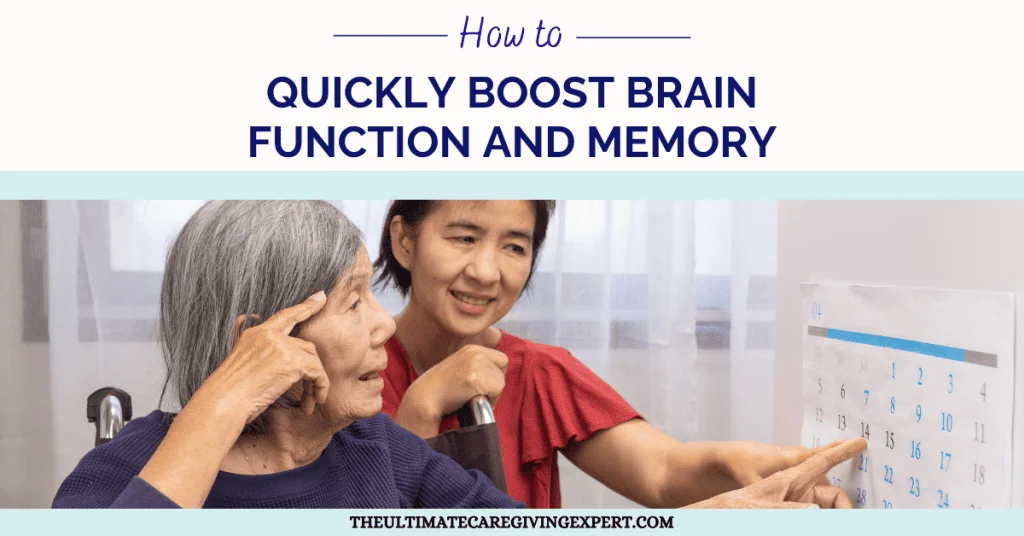
As we age, our brains naturally undergo structural changes, often decreasing in volume by nearly 10%. This shift is why many families associate aging with cognitive decline, depression, or conditions like Alzheimer’s and Dementia.

However, cognitive decline is not always inevitable. By boosting brain function through targeted lifestyle changes, we can shield the mind from degenerative effects and improve the quality of life for our senior loved ones.

Ways to Quickly Boost Brain Function and Memory in Our Seniors

Memory loss from aging is perennial worry for our elderly population. The key to maintaining healthy brain is to boost brain function and memory, preventing the development of mental health disorders in the first place. In additionit inhibits the growth of diseases and helps maintain healthy body. As result, we ought to engage in physical activity, prioritize healthy eating, and keep stress at bay. All these things play vital role in shielding it from the degenerative effects of aging. Therefore, the following components are essential to developing and maintaining excellent mental health:
  • The practice of mental exercise
  • It provides the brain with foods that are rich in nutrients.
  • Keeping stress in control

5 Pillars to Improve Senior Memory and Cognitive Health


Suggestions and Advice for Maintaining Brain Health

Mental workouts

To maintain our physical health and fitness, exercise is necessary. In addition, mental exercise is an excellent technique to support mental health and forestall the onset of cognitive decline to boost brain function and memory. The following is a list of some of the methods by which our senior loved ones might improve their mental fitness:

Exercises for the memory

This is one of the most efficient methods for enhancing the general health of our brains. Memory exercises don’t have to be complicated; they can be as easy as recalling the items on your shopping list or performing basic mental math computations. Your brain receives a lot of usable fuel from these activities, which keeps it active and wards off cognitive decline in the early years of life. According to the findings of numerous studies, the more frequently an aged person engages in mental activities. The more you can protect yourself against various mental illnesses, such as Alzheimer’s and dementia.

Mental Games

Brain-stimulating activities like these are perfect for boosting memory and reasoning skills. This will help our elderly remember more.

Solve puzzles

Playing word puzzles like crosswords is yet another technique to exercise your brain. Getting your brain to think requires you to solve riddles. Additionally, it keeps you occupied for a good number of hours. Therefore, engaging in just this one activity can help boost the cognitive capacity of your brain. And it also prevents the negative consequences of becoming older on one’s mental health.

Keep the stress in check.

It would appear that stress is a critical factor in the development of depression and hurts emotional well-being. The ability of our senior loved ones to have good emotional health and improved cognitive functioning is facilitated by maintaining a manageable level of stress. We may do many different things to assist our senior citizens in managing the stress they experience. At the same time, caregivers must learn how to avoid compassion fatigue in caregiving to maintain emotional balance while supporting loved ones with mental health needs.

Meditation

When one meditates, they keep a reference point in their mind, which could be a single word, phrase, or picture. Focusing on a particular topic facilitates one’s ability to focus. And in this way contributes to the maintenance of a state of mind that is peaceful, unworried, and unaffected by stress.

Be socially active

Participating in meaningful social activities has a beneficial effect on the mental health of those closest to us. Fostering a more upbeat and optimistic outlook on life.
  • Participating in activities with one’s friends
  • Taking part in group conversations and discussions
  • Participating in creating new connections and taking an interest in doing so.

Sleep

The mental health of our older population suffers when they are deprived of sleep or do not get adequate rest. A significant decline in the amount of sleep occurs with advancing age. However, there should be no change in sleep quality so that our elderly population can continue to have peace of mind. Therefore, our senior population has to be given sufficient time to relax and instruction in techniques that enable them to sleep properly at night.

Nutrition

Researchers believe there is close connection between nutritional deficiencies and mental illnesses. In addition, several researchers think that while treating conditions such as cognitive impairments. Compounds found in particular foods should be the primary area of concentration here. Susan Taylor Mayne, PhD, is faculty member at Yale University. It is stated that the dietary supplements we take on sporadic basis include the context nutrients.
However, fresh produce contains essential nutrients, including vitamins and minerals. Along with numerous other phytochemicals, they are critical to our well-being. However, they also have preventive impact against disorders like Alzheimer’s.

A Little Bit More on NutritionIn light of this, the people we care about should buy themselves some superfoods, as these foods have a significant positive impact on the health of their brains.  In addition, a combination of nutrition includes several different nutrients. They are more beneficial in the prevention of Alzheimer’s disease than nutrients that are taken alone.

Top Superfoods to Boost Brain Function

  • Green Leafy Vegetables: Spinach and kale are rich in vitamins that delay cognitive aging. (Note: If your loved one is on blood thinners, consult a doctor before increasing Vitamin K-rich greens).
  • Fatty Fish: Salmon and sardines are loaded with Omega-3 fatty acids, which have been shown to reduce the risk of Alzheimer’s.
  • Dark Berries: Blueberries and grapes contain flavonoids that protect brain cells from oxidative stress.
  • Healthy Fats: Extra-virgin olive oil provides neuroprotective polyphenols that support long-term memory.
  • Herbs and Spices: Turmeric and sage have been linked to improved cognitive functioning and neuroprotection.
  • Dark Chocolate & Coffee: In moderation, caffeine and cocoa antioxidants can “awaken” creative centers and improve immediate focus.

Conclusion

Protecting the brain health of older adults starts with recognizing how aging affects memory, focus, and daily functioning. Simple habits like nutritious eating, regular mental activity, quality sleep, and reduced stress can meaningfully slow cognitive decline. Families and caregivers can strengthen a senior’s independence by encouraging these routines while also prioritizing their own well-being to avoid burnout. With consistent support and informed choices, seniors can enjoy better cognitive health and a more fulfilling, confident life.

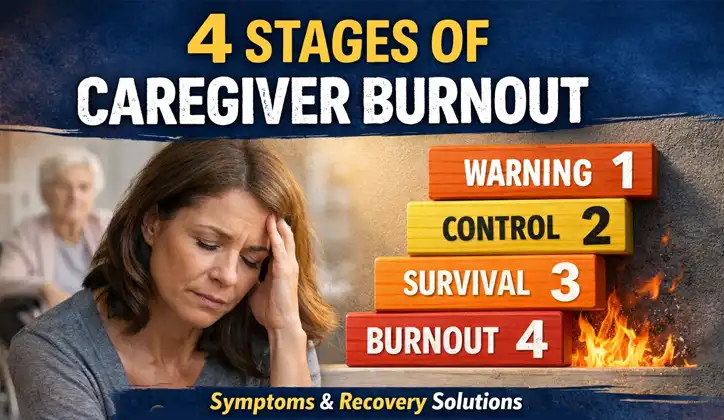
Caring for someone with mental health challenges can also affect the caregiver’s own emotional stability. That’s why focusing on mental and emotional health for caregivers is essential before supporting others.
Leave a Reply

Your email address will not be published. Required fields are marked *