Caregiver Blog
How to Take Control of Your Mental Health-The Caregiving Strategist

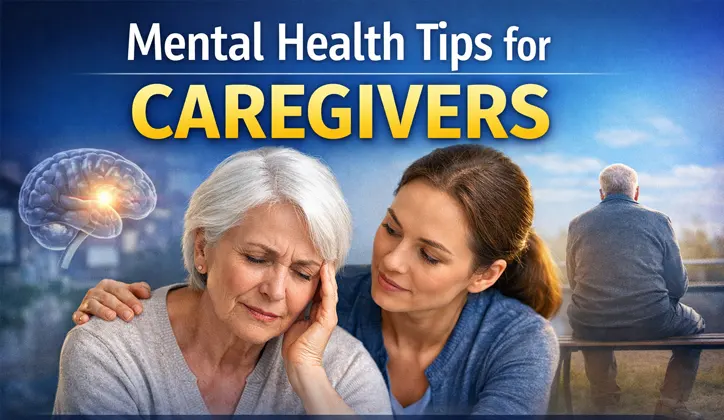
Mental Health for Caregivers is of the utmost importance. Many caregivers struggle with the emotional challenges of supporting an aging loved one. These challenges often include stress, anxiety, emotional exhaustion, and feelings of isolation. As a family caregiver, you must communicate effectively with the people you care about. Emotional well-being is essential for people of all ages, but it is necessary for the population that is getting older.
Older adults often experience several emotional health challenges, including:
- Loneliness
- Social isolation
- Anxiety
- Emotional distress
Understanding psychological well-being helps caregivers identify practical steps that can improve emotional health for both themselves and the people they support.
Attending to the needs of a loved one experiencing emotional difficulties might be difficult, but it is not impossible. You can accomplish this if you have the necessary knowledge. Caregiver self-care is essential because emotional exhaustion and burnout can reduce a caregiver’s ability to provide safe and consistent support. This guide explains practical strategies caregivers can use to support emotional well-being while managing caregiving responsibilities
Understanding the Mental Health of Those We Love
We must remember that low emotional or mental health is not a normal part of the aging process. This is further evidence that poor mental health is not unavoidable. And can make use of the preventative actions that are outlined below to assist in having robust health.
The mental health of those we care about might be simultaneously affected by several different circumstances. Several factors can influence the mental health of older adults:
- Quality of personal relationships
- Physical health conditions
- Experiences of discrimination or social exclusion
- Participation in social or recreational activities
- Financial stability
Depression and dementia are the two most frequent forms of mental health disorders that people experience. Even though the type of depression explains the reasons for the following:
- Gloomy days
- Bad mood
- Sadness
- And lack of interest in almost everything
The other kind, known as dementia, is characterized by forgetfulness.
Signs that Indicate a Deteriorating State of Mental Health
There is a good chance that we may observe some shifts in the psychological well-being of our aging loved ones. Even though some changes are inevitable, alterations in cognition and behavior and persistent memory loss might be warning signs of a severe condition. The following indicators can help you determine whether or not a member of your family is experiencing a decline in their emotional health:
- I am experiencing feelings of sadness or depression for causes that are unclear to you (children or caregivers).
- Difficulty in keeping one’s house clean and tidy.
- Memory problems and forgetfulness
- Disorientation and an inability to concentrate, as well as a decline in one’s decision-making capacity
- A decrease in decision-making ability
- losing interest in one’s social life
- Reduced enthusiasm for hobbies and daily routines
- Difficulty in preserving financial stability
- The changes in one’s appetite
- Inexplicable sleepiness and a persistent sense of being exhausted
- Suicidal ideation and a predisposition to act on those ideas
The symptoms and all the signals stated above make up the signs that an individual’s emotional health is deteriorating. If you or a family member exhibits any symptoms described in the previous paragraphs, you must seek medical attention immediately! Getting professional medical advice will be of great assistance. After that, the people you care about would have care available to them 24 hours a day, seven days a week, to keep them from taking extreme actions.
For guidance on identifying emotional red flags, read how caregivers effectively navigate the emotional rollercoaster of caregiving.
Methods for enhancing one’s mental health
A brain that is kept active is happier. Unfortunately, those we care about may experience feelings of loneliness or depression. Since they reached this age, they have finished most of their obligations, and they are now retired and finding it difficult to keep themselves engaged. Maintaining an active and vibrant lifestyle might become more complex as one age. And loneliness quietly makes its way in, profoundly impacting the mental health of those we care about the most. However, there are various methods by which we may assist our loved ones in getting out of the funk they are currently experiencing in their lives.
Reassure them that they are not the only ones
According to the National Institute of Mental Health (NIMH), millions of adults in the United States experience depression each year, including many older adults who face social isolation and health challenges. In addition, another study found that older adults who live independently can do all of the responsibilities alone. As a consequence of this, individuals have a reduced likelihood of being affected by depression as well as other conditions that are associated with it.
Exercise and Physical Activity
Regular physical activity improves mental health by reducing stress, improving mood, and supporting cognitive function. Even light exercise such as walking, stretching, or yoga can help older adults maintain emotional balance. For guidance on creating healthy routines, explore benefits of a routine for caregivers.
Spend time with others and your pals
Another effective method for combating depression is interacting with loved ones or close friends. Ipayd time with my family, got out with my friends and had a life outside of work. All of these things can provide the mind with a variety of benefits.
You can also find helpful suggestions for engaging family members in caregiving.
Whom Should I Approach to Get Assistance?
The U.S. Census Bureau estimates that approximately 56 million Americans were age 65 or older in 2020. This aging population increases the demand for caregiving support and mental health resources for both caregivers and older adults. And this figure is anticipated to rise to 84 million by the year 2050. These findings indicate an increase in the need for in-home care services because most aged 80–85 years would become feeble and require assistance with their day-to-day activities. In addition, children’s schedules become more hectic with each passing day as their parents get older. Because of this, they are making it quite challenging for themselves to look after their parents.
Additionally, elderly parents are particularly susceptible to danger at this stage. They become physically and mentally fragile due to capitulating to their worsening diseases. In situations like these, we must prepare for our parents to get some in-home care.
It is reasonable if you are a working professional, have a business that requires your attention, or are the only child living at home with your parents. Providing care for your loved ones may become more complex when this occurs. The inability to be in two places at once makes it difficult to track everything that must be done here. You are managing both your professional and personal responsibilities well. Consider bringing in some additional assistance. You will be able to get some rest and know that your loved one is receiving the best possible care due to this.
Or perhaps you would like to spend more time with the person you care about while taking a break from mundane work responsibilities such as sending emails, returning phone calls, or managing files. Let’s talk about how I can assist you so that you can focus on taking care of your company and your loved ones.
Conclusion:
Finally, by working together, we will be able to assist your parents in avoiding isolation and in making the most of the remaining years of their lives. I know that due to your hectic schedule, you may not always be able to devote sufficient time to spending quality time with your parents.
Key Takeaways
- Caregiver mental health directly affects the quality of care provided to aging loved ones.
- Older adults often experience loneliness, anxiety, and isolation.
- Early signs of mental health decline include memory loss, mood changes, and social withdrawal.
- Caregivers can support emotional well-being through social engagement, exercise, and professional support.
- Caregivers must also prioritize their own mental health to avoid burnout.
About the Author
Tena Scallan is a caregiving educator and consultant with more than 25 years of professional experience supporting family caregivers and aging adults. Her work focuses on caregiver stress management, emotional resilience, and practical strategies for maintaining mental well-being while providing long-term care.
FAQs about Mental Health for Caregivers
Why is mental health important for caregivers?
Mental health is important for caregivers because long-term caregiving can cause stress, emotional exhaustion, and burnout. Maintaining good mental health helps caregivers stay patient, make better decisions, and provide consistent support to their loved ones.
What are common mental health challenges caregivers face?
Caregivers often experience emotional challenges such as stress, anxiety, loneliness, depression, and burnout. These issues usually develop when caregivers balance personal responsibilities, work, and the ongoing needs of the person they care for.
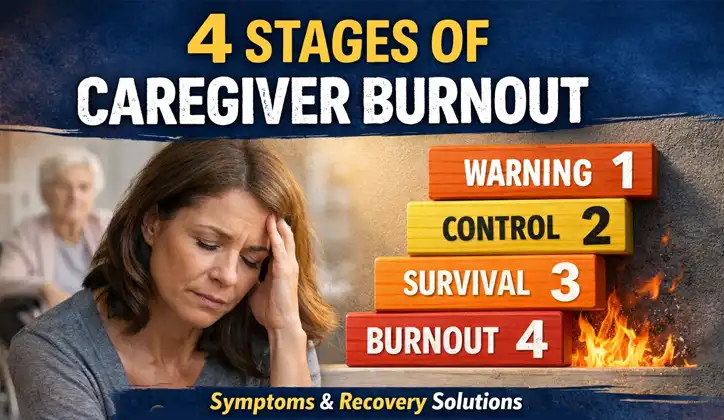
What are the warning signs of caregiver burnout?
Common signs of caregiver burnout include constant fatigue, irritability, loss of interest in activities, sleep problems, feeling overwhelmed, and difficulty concentrating. Recognizing these signs early helps caregivers seek support and prevent serious mental health problems.
How can caregivers improve their mental health?
Caregivers can improve their mental health by taking regular breaks, staying physically active, connecting with friends and family, joining caregiver support groups, and seeking professional help when needed.
When should caregivers seek professional mental health support?
Caregivers should seek professional help if they experience persistent stress, depression, anxiety, or feelings of hopelessness. Mental health professionals can provide counseling, coping strategies, and emotional support to help caregivers manage their responsibilities.